


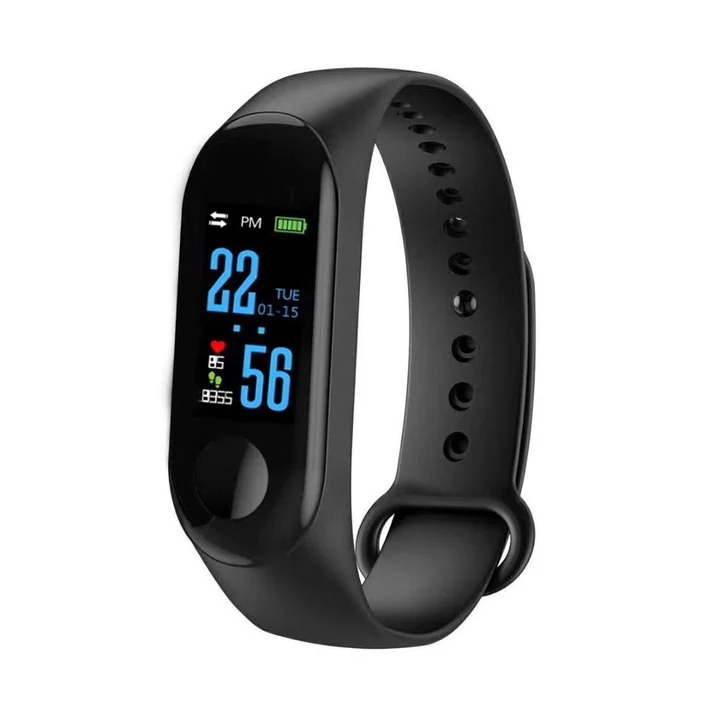
Health awareness has shifted from occasional checkups to daily observation. Many men now seek better ways to understand how their routines, activity levels, and habits affect overall well-being. Wearable technology has made this easier by translating everyday movement into meaningful data. A Fitness Tracker Watch for Men provides ongoing insights into activity, rest, and physical patterns, helping users recognize trends that may otherwise go unnoticed. Rather than focusing on isolated metrics, these devices support a broader understanding of daily health behaviors.
The Shift Toward Everyday Health Awareness
Men’s health management has moved beyond reactive care toward preventive awareness. Instead of responding only when discomfort appears, many people now aim to understand early indicators of imbalance. Fitness trackers encourage this shift by offering consistent feedback throughout the day. Simple data points like movement frequency or rest quality highlight how daily choices affect overall health. This steady stream of information builds awareness without requiring complex medical knowledge, making health tracking more accessible and sustainable.
Understanding Activity Patterns Throughout the Day
Daily movement often varies more than expected. Fitness trackers reveal patterns by recording steps, active minutes, and intensity levels across different times of day. These insights help users identify when they are most active and when movement drops off. Recognizing these patterns supports better routine planning, such as adding short walks during sedentary periods. Understanding movement trends allows men to balance activity more effectively without committing to extreme fitness routines.
Monitoring Rest and Recovery Trends
Rest plays a crucial role in physical performance and mental clarity. Fitness trackers monitor sleep duration and consistency, offering insight into recovery patterns. Instead of focusing solely on hours slept, users can observe how rest varies across different days or habits. This information highlights the impact of late nights, travel, or stress on recovery. By understanding rest trends, users can make small adjustments that improve overall energy and daily performance.
Identifying the Impact of Lifestyle Choices
Everyday choices—such as work schedules, exercise timing, or screen use—affect physical patterns. Fitness trackers help connect these behaviors with measurable outcomes. For example, users may notice how activity levels drop on busy workdays or how rest improves after consistent routines. Seeing cause-and-effect relationships encourages more mindful decision-making. Over time, this awareness helps men align daily habits with long-term well-being goals.
Encouraging Consistency Without Pressure
One advantage of fitness trackers is their ability to encourage consistency rather than intensity. Small daily goals promote sustainable habits without overwhelming users. Visual progress indicators help maintain motivation while avoiding burnout. Instead of focusing on perfection, trackers emphasize steady improvement. This approach suits men who prefer practical, manageable health tools over rigid fitness programs. Consistency becomes a natural part of daily routines rather than an added obligation.
Supporting Mental Focus and Daily Balance
Health patterns extend beyond physical movement. Activity levels and rest quality often influence focus, mood, and productivity. Fitness trackers help users recognize how physical habits correlate with mental clarity throughout the day. Understanding these connections encourages a more balanced lifestyle. When users feel more alert on active days or calmer after better rest, motivation to maintain healthy patterns increases. This holistic perspective supports both physical and mental well-being.
Making Health Data Easy to Understand
Modern fitness trackers present data in clear, user-friendly formats. Instead of overwhelming users with complex statistics, they translate information into simple visuals and summaries. This accessibility makes daily health tracking approachable for users at any experience level. Clear insights encourage regular engagement and long-term use. When health data feels understandable, users are more likely to act on it and adjust their routines accordingly.
Adapting to Different Lifestyles and Goals
Men’s routines vary widely depending on work, travel, and personal preferences. Fitness trackers adapt to these differences by focusing on individual patterns rather than fixed standards. Whether someone is highly active or mostly sedentary, tracking personal trends remains valuable. This adaptability ensures that insights remain relevant across different stages of life. Personalized data helps users focus on progress rather than comparison.
Building Long-Term Awareness Through Repetition
Health understanding develops over time. Fitness trackers support this process by recording data consistently across weeks and months. Long-term patterns reveal gradual changes that may not be noticeable day to day. This extended view encourages proactive adjustments before issues arise. Repetition strengthens awareness and reinforces healthier habits naturally. Over time, tracking becomes an intuitive part of daily life rather than a separate task.
Choosing Practical Health Tracking Tools
When selecting wearable health devices, practicality matters as much as features. Comfortable design, ease of use, and reliable performance support consistent wear. Devices that integrate seamlessly into daily routines are more likely to deliver meaningful insights. Practical health tools prioritize usability over complexity, ensuring long-term value for users seeking steady health awareness rather than short-term novelty.
Conclusion
Understanding daily health patterns helps men make informed decisions about movement, rest, and routine balance. Fitness trackers support this awareness by transforming everyday activity into clear, actionable insights. Over time, consistent tracking encourages healthier habits without adding pressure or complexity. This practical approach to wearable health technology reflects how Wolphcurates modern lifestyle devicesfocusing on usability, clarity, and tools that support everyday well-being.


