
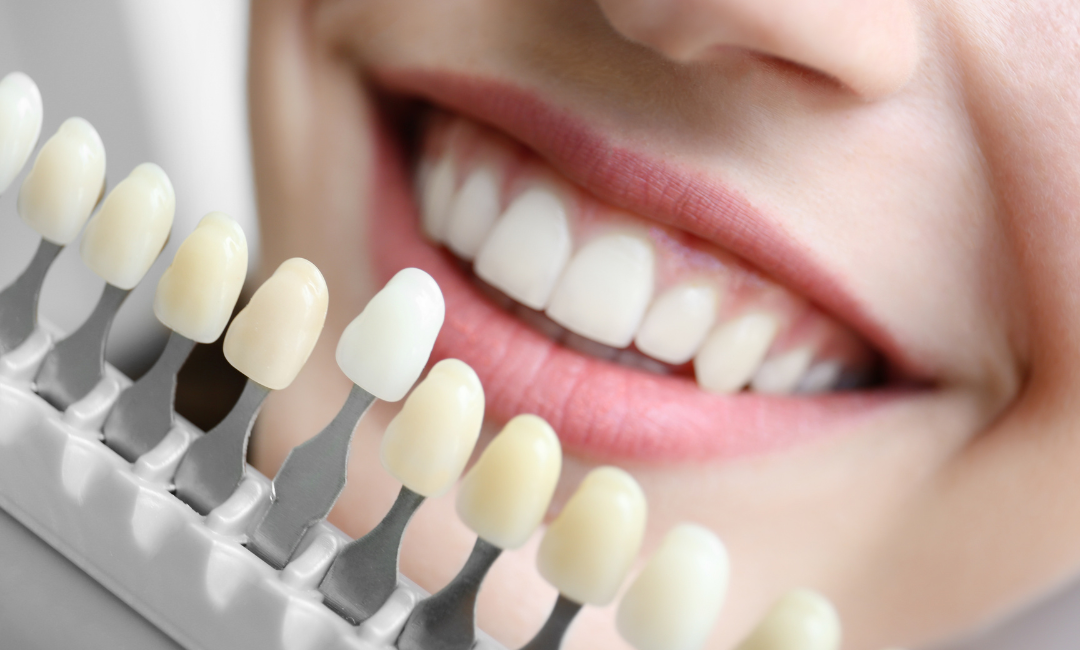
A brighter smile is something many people want, but teeth whitening is often surrounded by confusing claims. From whitening toothpastes to home kits and professional treatments, there are countless options available. The challenge is understanding which methods can genuinely improve tooth colour and which expectations may be unrealistic.
Before choosing a whitening treatment, it helps to understand what causes staining, how whitening works and why results can differ between individuals.
Why Do Teeth Become Discoloured?
Teeth can become darker or stained for several reasons. Coffee, tea, red wine and certain foods can contribute to surface staining. Smoking and tobacco use can also cause noticeable discolouration.
Age is another factor. As enamel gradually becomes thinner, the naturally darker dentine underneath can become more visible. Some medications, dental trauma and certain developmental conditions can also affect tooth colour.
Because different types of discolouration have different causes, one whitening method will not necessarily work equally well for everyone.
Do Whitening Toothpastes Really Work?
Whitening toothpastes can be useful for removing some surface stains. Many contain mild polishing ingredients that help clean away staining accumulated on the outside of teeth.
However, they generally cannot produce the same degree of colour change as professional bleaching treatments. They are better viewed as part of regular oral hygiene rather than a replacement for professional whitening.
What About Home Whitening Kits?
Home whitening products vary considerably. Some contain active whitening ingredients, while others rely mainly on abrasive or cleansing agents.
Results depend on the product, concentration, application method and individual tooth characteristics. Using products incorrectly or too frequently may increase the likelihood of tooth sensitivity or gum irritation.
It is therefore important to follow product instructions carefully and seek professional advice if you are unsure whether a whitening product is appropriate.
How Does Professional Whitening Differ?
Professional whitening is planned around the patient’s teeth and oral health. Before treatment, a dental professional can check for cavities, gum problems, damaged restorations or other issues that may need attention.
Professional treatment may provide a more predictable approach because the process and whitening materials can be selected according to individual circumstances.
For people researching Teeth Whitening Penrith, a dental consultation can help determine whether whitening is appropriate and what type of treatment may provide realistic results.
Will Whitening Change Crowns and Fillings?
This is an important point that is sometimes overlooked. Whitening treatments work on natural tooth structure, but they do not generally lighten existing restorations such as crowns, veneers or tooth-coloured fillings.
If your natural teeth become significantly lighter while restorations remain their original shade, there may be a visible colour difference. Discussing existing dental work with your dentist before whitening can help you understand the possible outcome.
What About Tooth Sensitivity?
Temporary sensitivity is one of the more common concerns associated with teeth whitening. Some people may experience sensitivity to cold foods and drinks during or shortly after treatment.
The likelihood and intensity can vary depending on the individual’s teeth and the whitening method used. A dental professional can provide guidance on managing sensitivity and whether whitening should be delayed if there are existing dental concerns.
How Long Do Whitening Results Last?
Whitening is not necessarily permanent. Teeth can gradually become stained again through normal eating and drinking habits.
How long results remain noticeable depends on factors such as diet, oral hygiene, smoking and the original condition of the teeth. Maintaining good brushing and flossing habits and attending regular dental appointments can help protect your smile.
What Whitening Cannot Do
Whitening is designed to change the colour of natural teeth; it is not a treatment for every cosmetic dental concern. Deep internal discolouration, damaged teeth, uneven tooth shapes or mismatched restorations may require other approaches.
A dental examination can help determine whether whitening alone is likely to achieve the desired result.
Making a Safe Choice
A brighter smile should not come at the expense of healthy teeth and gums. Before beginning any whitening treatment, consider having your oral health checked and discuss your expectations with a dental professional.
Lethbridge Dental can help patients understand available cosmetic dental options and determine whether professional whitening is suitable for their circumstances.
Final Thoughts
Teeth whitening can be an effective way to improve the appearance of naturally discoloured teeth, but there is no universal treatment that works identically for everyone. Understanding the cause of staining, choosing an appropriate method and having realistic expectations are key to achieving a satisfying result.
Rather than relying solely on dramatic whitening claims, consider professional guidance to find an approach that prioritises both your smile and your oral health.