
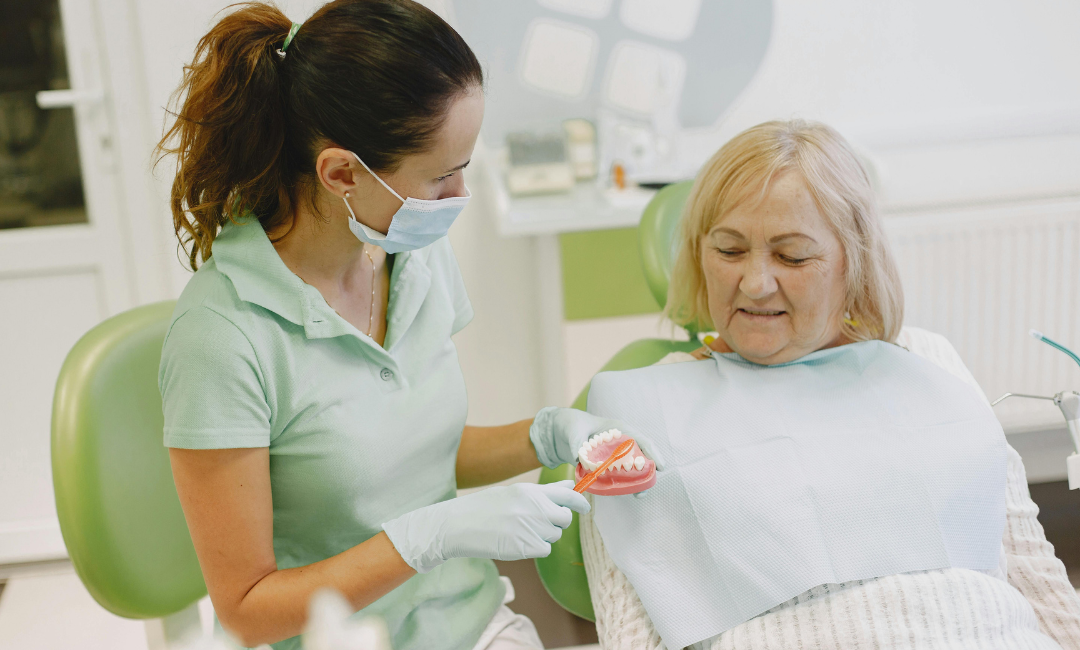
Dentures help many people replace missing teeth and maintain everyday activities such as eating, speaking and smiling. However, like other dental appliances, they can become damaged through accidental drops, everyday wear or changes in the shape of the gums.
A cracked denture, broken clasp or sudden change in fit can cause considerable inconvenience. In some cases, damaged dentures may also irritate the soft tissues inside the mouth.
Understanding what to do when you need emergency denture repairs in Penrith can help you avoid further damage and find an appropriate solution.
Recognising Common Denture Problems
Denture damage can occur in several ways. Some problems develop gradually, while others happen unexpectedly.
Common denture concerns include:
- Cracked denture bases: A crack can weaken the structure and make the appliance unstable.
- Broken denture teeth: Individual artificial teeth may become loose or detach.
- Damaged clasps: Partial dentures may lose stability if their supporting clasps become damaged.
- Poor denture fit: Changes in the gums and jawbone may cause dentures to move or rub.
- Sharp or rough edges: Damaged areas may irritate the tongue, cheeks or gums.
Recognising these problems early can help patients arrange an appropriate assessment before the situation becomes more uncomfortable.
What to Do When Your Dentures Break
If your dentures suddenly crack or break, the first step is to stop wearing them if they are unstable, sharp or causing pain.
Continuing to use damaged dentures may increase irritation or place additional pressure on the supporting tissues.
Carefully collect all the broken pieces and store them in a clean container. Keeping the pieces together may help the dental professional assess the damage.
Avoid attempting to force broken sections back into position. Do not use household glue, superglue or other unsuitable adhesives because these products may damage the appliance and create additional risks.
Instead, contact a dental clinic to arrange an assessment and discuss suitable repair options.
Why Professional Denture Repairs Are Important
Denture repairs require an understanding of the appliance’s material, design and fit. A repair that appears simple may affect the way the denture sits against the gums or interacts with the remaining natural teeth.
Professional assessment helps identify the underlying problem and determine whether the appliance can be repaired safely.
Depending on the damage, treatment may involve repairing a crack, replacing a denture tooth, fixing a clasp or recommending a replacement appliance.
In some cases, extensive damage or significant changes in fit may mean that a new denture is more appropriate.
Understanding the Importance of Proper Denture Fit
Even when dentures are not visibly broken, they may become uncomfortable over time.
Natural changes in the gums and supporting jawbone can gradually affect the shape of the mouth. As a result, previously comfortable dentures may begin to move, create sore spots or become difficult to use.
Poorly fitting dentures can affect chewing and speaking while increasing the possibility of soft tissue irritation.
A dental professional can assess the fit and discuss whether adjustments, relining or replacement may be suitable.
How to Prevent Future Denture Damage
Although accidents cannot always be prevented, a few simple habits can reduce the risk of damage.
Consider the following precautions:
- Remove and clean dentures carefully over a towel or a basin filled with water to reduce the risk of breakage if dropped.
- Use cleaning products specifically recommended for dentures.
- Avoid hot water that may distort the appliance.
- Store removable dentures safely when they are not being worn.
- Attend regular dental appointments to monitor denture fit.
- Avoid biting excessively hard objects with dentures.
These habits can help extend the useful life of dentures and support better everyday comfort.
Finding Help for Emergency Denture Repairs
When a denture breaks unexpectedly, arranging professional advice is important. Patients should explain the type of damage, whether the appliance is still wearable and whether they are experiencing pain or irritation.
At Lethbridge Dental, patients can discuss denture-related concerns and explore appropriate dental care options. The condition of the appliance and the patient’s individual requirements will help determine the next steps.
Patients should also ask about the expected repair process and whether the denture needs to be sent to a dental laboratory.
When Should You Seek Urgent Dental Attention?
A damaged denture that causes bleeding, significant discomfort or soft tissue injury should be assessed promptly.
If there is severe swelling, uncontrolled bleeding or difficulty swallowing or breathing, seek urgent medical attention.
Patients should not attempt to modify a damaged appliance themselves, particularly when sharp edges or unstable components are present.
Final Thoughts
Broken dentures can interrupt everyday routines and make eating or speaking uncomfortable. Knowing how to respond can help prevent additional damage and reduce unnecessary complications.
Professional assessment is an important part of resolving denture problems safely. If you experience a sudden denture issue, exploring emergency denture repairs in Penrith through Lethbridge Dental can help you understand the available options and take the appropriate next step.