
Introduction
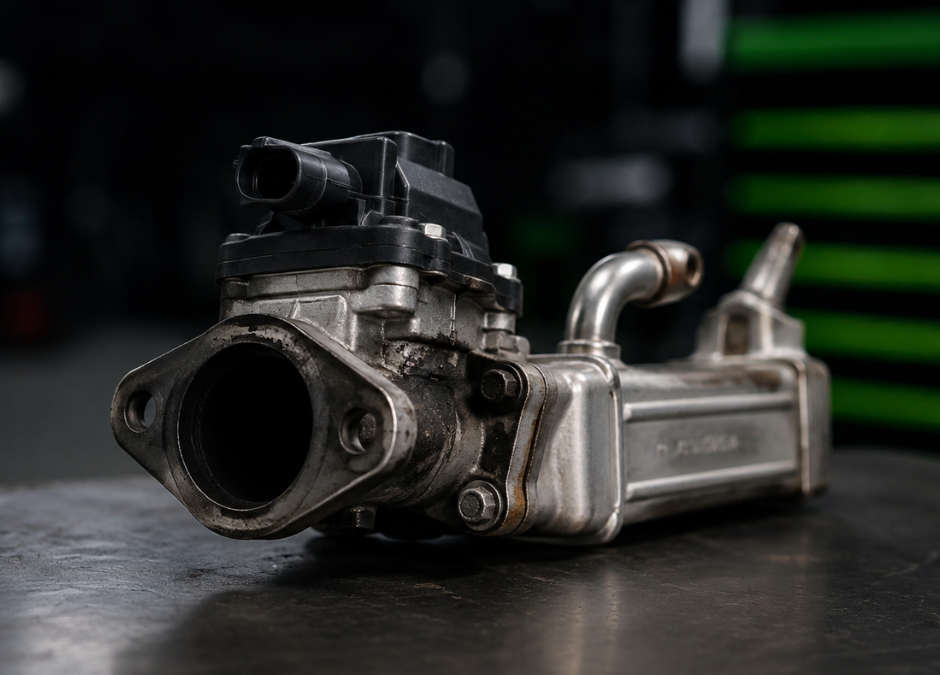
Modern diesel engines use several systems to control emissions while maintaining efficient and reliable performance. One of the most important components is the Exhaust Gas Recirculation (EGR) system, which redirects a controlled amount of exhaust gas back into the engine intake. When this system develops a fault or becomes restricted, drivers may notice changes in how their vehicle performs. Understanding EGR solutions can help vehicle owners recognise potential problems and make informed decisions about appropriate diagnostic and repair options.
What Does the EGR System Do?
The EGR system is designed primarily to reduce nitrogen oxide (NOx) emissions produced during combustion. It works by recirculating a measured quantity of exhaust gases into the intake air. This reduces combustion temperatures and helps control emissions.
Although the system performs an important environmental function, it operates in a demanding environment. Exhaust gases contain soot and other particles, which can gradually contribute to deposits within the EGR valve, cooler, intake system, and associated components.
Common Signs of EGR Problems
An EGR-related fault can produce several noticeable symptoms. However, these symptoms can also be associated with other engine or emissions-system problems, which is why accurate diagnosis is important.
Common signs may include:
- Reduced engine performance
- Hesitation during acceleration
- Rough or uneven idling
- Increased fuel consumption
- Engine warning lights
- Excessive smoke in certain circumstances
- Difficulty maintaining consistent engine response
A vehicle displaying one or more of these symptoms does not necessarily have a failed EGR valve. Diagnostic testing can help identify the actual cause before any repair or software-related work is considered.
Why Does the EGR System Become Problematic?
One of the main causes of EGR problems is carbon and soot accumulation. Over time, deposits can restrict the movement of the EGR valve or reduce the efficiency of related components.
Frequent short journeys can sometimes contribute to conditions where deposits accumulate more quickly because the engine may not consistently reach its optimum operating temperature. Other potential causes include electrical faults, sensor problems, vacuum issues, mechanical wear, or problems elsewhere in the emissions system.
Understanding the underlying cause is essential because replacing an EGR component without addressing the real problem may not provide a lasting solution.
How Can EGR Problems Affect Engine Performance?
When the EGR system does not operate as intended, the engine may receive an incorrect balance of fresh air and recirculated exhaust gases. This can influence combustion and affect throttle response, acceleration, and overall drivability.
In some cases, a malfunctioning EGR system can also trigger warning lights or place the vehicle into a restricted operating mode. Modern engine management systems continuously monitor numerous sensors and components, meaning an EGR fault can sometimes have wider effects on vehicle operation.
Why Professional Diagnostics Matter
Because EGR symptoms can overlap with other mechanical and electronic problems, professional diagnostics are an important first step. A technician can use suitable diagnostic equipment to check stored fault codes, sensor readings, system operation, and related components.
A proper inspection may also help determine whether the issue is caused by the EGR valve itself, carbon deposits, wiring, sensors, the intake system, or another component.
This diagnostic approach reduces the risk of replacing parts unnecessarily and helps vehicle owners understand the condition of their vehicle before making a decision.
Repair and Maintenance Considerations
Depending on the diagnosis, an appropriate solution could involve cleaning, repairing, or replacing a faulty component. In some circumstances, additional investigation may be necessary to identify why deposits or faults have developed.
Vehicle owners should also consider the manufacturer’s maintenance recommendations and ensure that any work complies with applicable emissions and road-use requirements. Modifying or disabling emissions-control equipment can have legal and environmental implications, so professional advice should be obtained before considering such changes.
Choosing an Experienced Specialist
When dealing with an EGR issue, choosing a specialist with appropriate diagnostic knowledge can make a significant difference. Look for a service provider that explains the fault clearly, uses suitable equipment, and considers the vehicle as a complete system rather than immediately recommending a single component replacement.
A trustworthy specialist should also be transparent about the work being proposed, potential outcomes, and any relevant regulatory considerations.
Conclusion
EGR problems can affect drivability, fuel efficiency, warning systems, and overall engine performance, but the correct approach depends on identifying the underlying cause. Professional diagnostics can help distinguish an EGR fault from other engine or emissions-related problems and ensure that the most appropriate option is considered.
For drivers who need experienced assistance with diesel engine and emissions-system concerns, MPG Tuning offers specialist knowledge and diagnostic expertise to help vehicle owners understand their options and make informed decisions.