
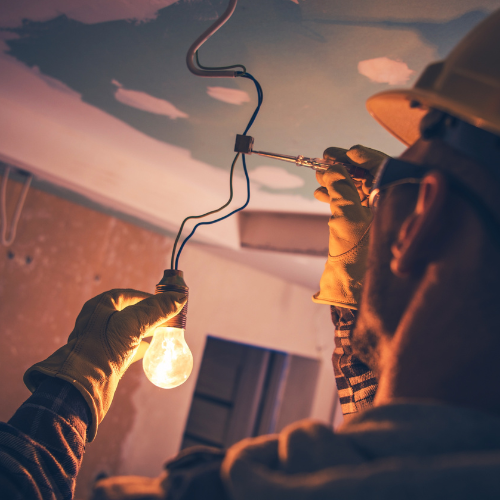
Electrical work is one of the most critical aspects of any property. Whether it involves installing new wiring, upgrading an electrical panel, adding energy-efficient systems, or maintaining existing infrastructure, the quality of workmanship directly affects safety, reliability, and long-term performance. Choosing the right electrical contractor is not simply about finding someone available for the job – it is about selecting a qualified professional who can deliver safe, compliant, and durable solutions.
With countless contractors offering similar services, property owners often struggle to identify the right choice. Understanding the qualities that define a reliable contractor can help avoid unnecessary costs, project delays, and safety risks.
When researching electrical contractors wilmington or electrical contractors Philadelphia, it is important to evaluate more than just pricing. Experience, qualifications, communication, and workmanship all play a significant role in achieving successful residential and commercial electrical projects.
Why Choosing the Right Contractor Matters
Electrical systems are responsible for powering essential equipment, lighting, appliances, and safety devices. Poor-quality electrical work can lead to frequent breakdowns, inefficient performance, or even hazardous conditions.
A qualified contractor helps ensure:
- Safe electrical installations
- Compliance with applicable electrical standards
- Long-term system reliability
- Proper project planning
- Reduced maintenance issues
Selecting the right professional from the beginning often saves both time and money in the future.
Understand the Scope of Your Project
Before contacting a contractor, clearly define the type of electrical work required. Different projects may require different areas of expertise.
Common residential projects include:
- Electrical panel upgrades
- Lighting installations
- Circuit additions
- Generator connections
- Home rewiring
Commercial projects often involve:
- Large-scale electrical systems
- Equipment installations
- EV charging infrastructure
- Power distribution upgrades
- Preventive maintenance programs
Knowing the project requirements makes it easier to identify contractors with relevant experience.
Verify Licensing and Certifications
One of the first steps when evaluating an electrical contractor is confirming professional qualifications. Proper licensing demonstrates that the contractor has met the necessary industry requirements and follows recognised electrical practices.
In addition to licensing, look for:
- Professional certifications
- Ongoing technical training
- Industry memberships
- Compliance with electrical regulations
Qualified professionals stay informed about evolving technologies and current safety requirements.
Evaluate Industry Experience
Experience often reflects a contractor’s ability to handle different project types and unexpected challenges.
When reviewing experience, consider:
Residential Expertise
Residential projects require careful attention to safety, efficiency, and homeowner convenience. Contractors should understand modern household electrical systems and common upgrade requirements.
Commercial Expertise
Commercial electrical systems are typically more complex and require knowledge of larger power demands, specialised equipment, and operational continuity.
Choosing a contractor with experience in similar projects increases confidence in the final outcome.
Assess Communication and Project Planning
Strong communication is an important indicator of professionalism.
Reliable contractors typically:
- Listen carefully to project requirements
- Explain technical information clearly
- Provide realistic timelines
- Discuss possible challenges
- Maintain regular project updates
Clear communication helps minimise misunderstandings throughout the project.
Review Safety Practices
Electrical work should never compromise safety. Professional contractors place safety at the centre of every installation, repair, and maintenance task.
Important safety practices include:
- Following recognised electrical standards
- Using appropriate protective equipment
- Conducting thorough inspections
- Testing completed installations
- Maintaining organised work areas
A strong commitment to safety benefits both workers and property owners.
Look Beyond Price
While budget is always an important consideration, choosing the lowest quote is not always the best decision.
Instead of focusing only on cost, evaluate:
- Quality of workmanship
- Materials being used
- Experience level
- Warranty availability
- Overall project value
Investing in quality electrical work often reduces future repair costs and improves system reliability.
Ask About Inspection and Testing Procedures
Professional contractors should perform thorough inspections before and after completing electrical work.
Testing may include:
- Circuit verification
- Panel inspection
- Voltage testing
- Grounding checks
- Safety evaluations
Proper testing confirms that the electrical system operates safely and efficiently before being placed into regular use.
Consider Long-Term Support
Electrical systems require occasional maintenance throughout their lifespan. Choosing a contractor who offers ongoing support can simplify future inspections, upgrades, and repairs.
Long-term service relationships often provide:
- Better system familiarity
- Faster troubleshooting
- Preventive maintenance
- Improved operational reliability
This can be especially valuable for commercial properties with complex electrical infrastructure.
Warning Signs to Watch For
Not every contractor delivers the same level of professionalism. Before making a decision, watch for warning signs such as:
- Unclear project estimates
- Poor communication
- Lack of licensing information
- Incomplete documentation
- Reluctance to answer technical questions
Recognising these issues early can help prevent costly problems later.
Questions Worth Asking Before Hiring
Before selecting an electrical contractor, consider asking:
- What similar projects have you completed?
- How will the work be inspected?
- What safety procedures are followed?
- How will unexpected issues be handled?
- What maintenance recommendations should be followed after completion?
These questions provide valuable insight into the contractor’s experience and working approach.
Why Professional Expertise Makes a Difference
Modern electrical systems continue to evolve with advancements in energy efficiency, automation, backup power, and electric vehicle infrastructure. Experienced professionals understand how these technologies integrate into both residential and commercial environments.
Whether evaluating residential electrician philadelphia services or comparing contractors for larger commercial projects, prioritising expertise and workmanship over short-term savings leads to safer and more dependable electrical systems.
Conclusion
Choosing the right electrical contractor requires careful evaluation of qualifications, experience, communication, safety practices, and overall project value. Taking the time to assess these factors helps ensure electrical work is completed safely, efficiently, and to a high professional standard.
By focusing on proven expertise rather than simply comparing prices, property owners can make informed decisions that support reliable electrical performance for years to come. A qualified contractor is more than a service provider they are a key partner in maintaining the safety, functionality, and longevity of every electrical system.