
Everyday moments can provide valuable opportunities for children to learn, grow, and develop important skills. Activities such as getting dressed, playing with toys, reading a book, helping with simple household tasks, or spending time outdoors can all support different areas of development.
Parents do not always need special equipment or complicated activities to encourage learning. Small, consistent opportunities throughout the day can help children practice communication, movement, problem-solving, independence, and social skills.
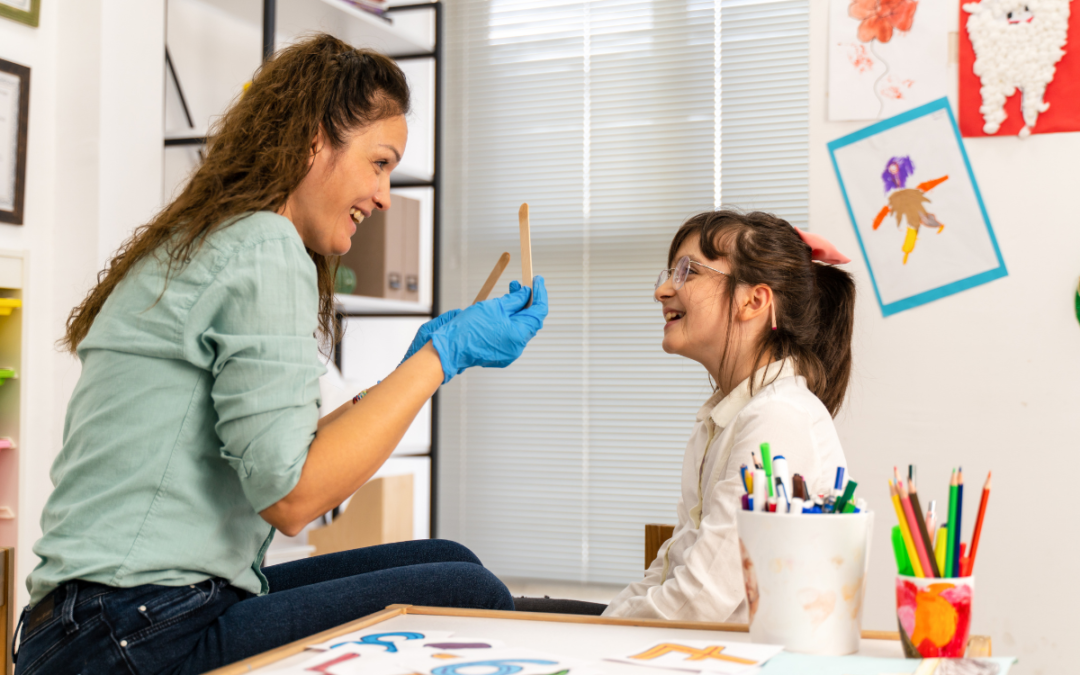
For children who experience developmental challenges, professional child development therapy may provide additional support and guidance. However, everyday routines can also play an important role in helping children practice and strengthen skills in familiar environments.
Make Everyday Routines Learning Opportunities
Daily routines can help children develop important skills naturally. Getting dressed, brushing teeth, eating meals, and cleaning up after playtime all involve multiple steps and provide opportunities to practice independence.
For example, allowing a child to choose between two shirts can encourage decision-making and communication. Asking them to help put away toys can support organization and responsibility. Breaking simple tasks into smaller steps can also help children understand routines and gradually become more independent.
The goal is not to expect children to complete every task perfectly. Instead, giving them opportunities to participate can help build confidence and encourage continued learning.
Encourage Learning Through Play
Play is one of the most natural ways for children to learn. Through games, imaginative activities, puzzles, building toys, and outdoor play, children can practice a variety of developmental skills.
Building with blocks can support coordination and problem-solving. Pretend play can encourage creativity, communication, and social interaction. Playing catch, climbing, or running can help children practice movement and coordination.
These activities can also support important developmental milestones by giving children regular opportunities to explore new movements, ideas, and interactions.
Parents can follow their child’s interests and choose activities that are appropriate for their age and abilities. When children enjoy what they are doing, they may be more motivated to participate and try new skills.
Read and Talk Together
Reading and conversation can support language and communication development. Parents can create simple opportunities throughout the day to talk with their children about what they see, hear, and experience.
While reading a book, ask your child questions about the pictures or encourage them to describe what they think will happen next. During meals or car rides, talk about the day’s activities and give your child time to respond.
Children may also benefit from hearing new words used in meaningful situations. Instead of turning conversations into lessons, keep interactions natural and enjoyable.
Regular communication can help children practice listening, understanding, vocabulary, and expressing their ideas.
Support Movement and Physical Activity
Movement is an important part of childhood development. Activities such as walking, running, jumping, climbing, dancing, and playing with a ball can help children practice balance, coordination, strength, and body awareness.
Parents can encourage movement by incorporating active play into everyday routines. A walk around the neighborhood, a simple obstacle course, or a dance session at home can provide fun opportunities to move.
Children develop physical skills at different rates, so activities should be adapted to their current abilities. The focus should be on participation and enjoyment rather than comparison or competition.
Regular movement can provide children with opportunities to practice skills connected to important developmental milestones.
Encourage Independence Through Small Responsibilities
Giving children age-appropriate responsibilities can help them build independence and confidence. Simple tasks such as putting toys away, helping set the table, choosing clothing, or assisting with simple household activities can provide valuable learning opportunities.
Children may initially need guidance, but gradually reducing assistance can encourage them to take on more of the task independently.
Celebrating effort is also important. A child may not complete an activity perfectly, but recognizing their attempt can encourage them to continue practicing.
These everyday responsibilities can help children develop problem-solving skills, coordination, confidence, and a sense of accomplishment.
Follow Your Child’s Interests
Children are often more engaged when activities connect with their interests. If a child enjoys animals, books, drawing, music, or building, these interests can be incorporated into everyday learning opportunities.
For example, a child who enjoys animals may practice vocabulary by naming animals or engage in imaginative play. A child who enjoys music may practice movement by dancing or following rhythms.
Following a child’s interests can make learning feel more natural and enjoyable. It can also encourage children to stay engaged while practicing skills that may otherwise feel challenging.
How Child Development Therapy Can Provide Additional Support
Every child develops differently, and some children may benefit from additional guidance. Child development therapy can help identify areas where a child may need support and provide individualized strategies based on their strengths and needs.
Therapy may focus on communication, movement, sensory processing, fine motor skills, self-care, social interaction, or other developmental areas.
A qualified professional can work with both the child and family to create meaningful goals and provide practical strategies that can be incorporated into everyday routines.
The purpose of therapy is to support the child’s participation and development while helping families better understand their child’s individual needs.
Understanding the Value of Early Support
When parents have ongoing concerns about their child’s development, seeking professional guidance can be a helpful first step. Early childhood intervention therapy can provide support during important stages of development and create additional opportunities for children to practice new skills.
Early support does not mean that every developmental difference requires therapy. Instead, a professional evaluation can help families better understand their child’s strengths, needs, and available support options.
When appropriate, early intervention can help children and families develop practical strategies that support participation in everyday activities.
Create a Supportive and Positive Environment
Children benefit from an environment where they feel encouraged to explore, make mistakes, and try again. Learning new skills can take time, and progress may happen gradually.
Parents can support development by focusing on small improvements rather than expecting immediate results. Providing encouragement, maintaining predictable routines, and allowing children enough time to practice can all contribute to a positive learning environment.
It is also important to remember that every child follows their own developmental journey. Comparing children too closely can create unnecessary pressure. Instead, focus on your child’s individual strengths and the progress they are making over time.
Conclusion
Supporting your child’s development does not always require complicated activities. Everyday moments such as playing, reading, talking, moving, and participating in simple routines can create meaningful opportunities to practice important skills.
These activities can support developmental milestones while helping children build confidence, communication, coordination, problem-solving abilities, and independence.
For children who need additional guidance, child development therapy and early childhood intervention therapy can provide personalized support based on their individual strengths and needs.
At Kids in Motion, child-centered therapy is designed to help children build skills through engaging activities and meaningful experiences. With encouragement, consistency, and the right support, children can continue learning, growing, and gaining confidence in their everyday lives.