
Introduction
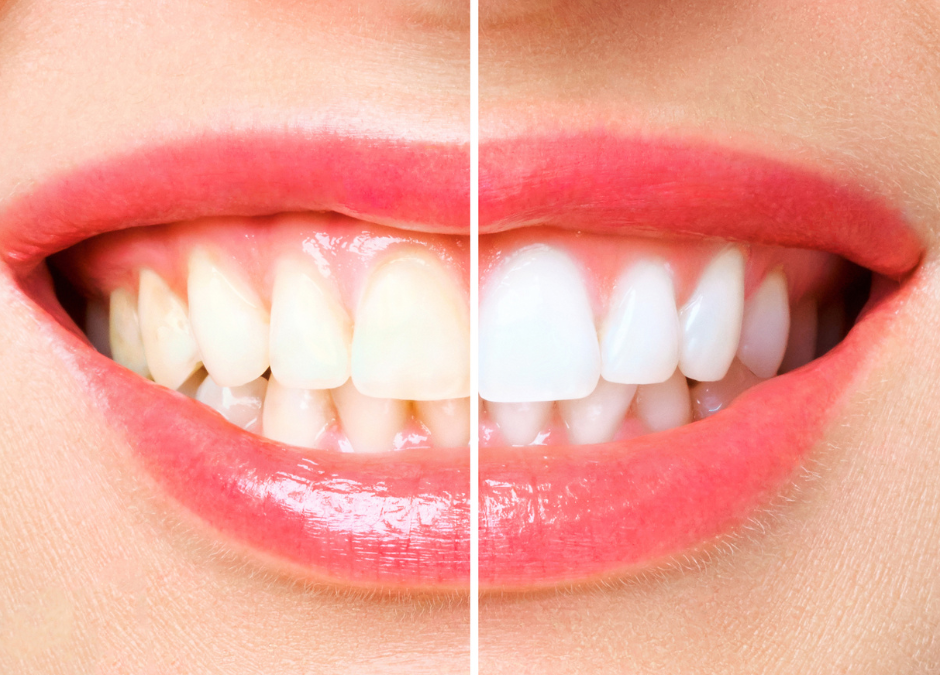
A bright, healthy-looking smile can make a noticeable difference to your confidence and appearance. Over time, teeth can become discoloured due to coffee, tea, certain foods, ageing, smoking, or other lifestyle factors. Professional whitening treatments can help improve the appearance of stained teeth and create a fresher, more confident smile. If you are considering teeth whitening Carrum Downs, understanding the treatment process, benefits, and factors that influence results can help you make a more informed decision.
Why Do Teeth Become Discoloured?
Tooth discolouration can happen for several reasons. Some stains develop on the surface of teeth, while others occur deeper within the tooth structure. Regular consumption of coffee, tea, soft drinks, and strongly coloured foods can contribute to staining over time.
Natural ageing can also affect tooth colour. As enamel gradually becomes thinner, the naturally darker dentine underneath may become more visible. Lifestyle habits, poor oral hygiene, and tobacco use can further contribute to changes in tooth colour.
Understanding the cause of discolouration is important because different types of stains may respond differently to whitening treatments.
What Is Professional Teeth Whitening?
Professional teeth whitening is a cosmetic dental treatment designed to lighten the colour of natural teeth. It uses specially formulated whitening products that are applied according to professional guidance.
Before treatment, a dental professional can assess the condition of your teeth and gums to determine whether whitening is suitable. This assessment helps identify existing dental concerns that may need attention before cosmetic treatment begins.
Professional care also allows the treatment to be tailored according to individual needs, helping patients achieve a more balanced and natural-looking result.
Benefits of Professional Whitening
One of the main benefits of professional whitening is improved smile appearance. Removing or reducing visible staining can make teeth look brighter and help create a fresher overall appearance.
Another advantage is personalised treatment. Every person’s teeth are different, so the ideal whitening approach can vary. A dental professional can consider factors such as existing restorations, tooth sensitivity, the level of staining, and the desired shade.
Professional guidance can also help patients avoid inappropriate whitening methods that may cause irritation or produce uneven results.
Is Teeth Whitening Suitable for Everyone?
Teeth whitening is not automatically suitable for every person. A dental examination is important before starting treatment, particularly if you have cavities, gum problems, damaged teeth, or significant sensitivity.
It is also important to understand that whitening products primarily affect natural tooth structure. Existing dental restorations, such as crowns, veneers, or certain fillings, may not change colour in the same way as natural teeth.
A professional assessment can help determine whether whitening is appropriate and whether other cosmetic options may provide a better result.
What Can You Expect During Treatment?
The treatment process depends on the whitening method recommended for your individual situation. Your dentist may first examine your teeth and gums and discuss your expectations.
The treatment is then performed according to the recommended procedure. Patients may notice an improvement in tooth colour after treatment, although the final result can vary depending on the original shade and type of staining.
Following professional instructions is important for achieving the best possible outcome and maintaining the appearance of your smile.
Managing Tooth Sensitivity
Some people may experience temporary sensitivity following teeth whitening. This can vary depending on the individual’s teeth and the whitening method used.
Discussing any history of sensitivity with your dental professional before treatment is important. They can consider your circumstances and provide appropriate recommendations to make the process more comfortable.
Following aftercare instructions can also help reduce potential discomfort and support a smoother recovery.
How to Maintain a Brighter Smile
Maintaining your results requires consistent oral care. Brushing twice daily, flossing regularly, and attending routine dental check-ups can help keep your teeth and gums healthy.
Reducing frequent consumption of heavily staining foods and drinks may also help preserve the appearance of whitened teeth. Drinking water after consuming staining beverages can be a simple way to support better oral hygiene.
It is also important to avoid relying excessively on unregulated whitening products, as inappropriate use may lead to sensitivity or irritation.
Professional Advice Makes a Difference
Choosing professional dental guidance provides an opportunity to understand your options before beginning treatment. Instead of focusing only on achieving a whiter shade, a dentist can consider your overall oral health and help you work toward a result that looks natural.
A personalised approach can also identify whether whitening alone is enough or whether other cosmetic treatments may better address concerns such as uneven tooth shape, chips, or gaps.
Conclusion
Teeth whitening can be an effective way to improve the appearance of stained or discoloured natural teeth and enhance confidence in your smile. However, understanding the cause of discolouration, assessing your oral health, and following professional advice are important steps before treatment. With suitable care and good oral hygiene habits, patients can maintain a brighter-looking smile for longer. For personalised cosmetic dental guidance and professional whitening solutions, Cranbourne Dental Centre can help patients explore options suited to their individual smile goals.