
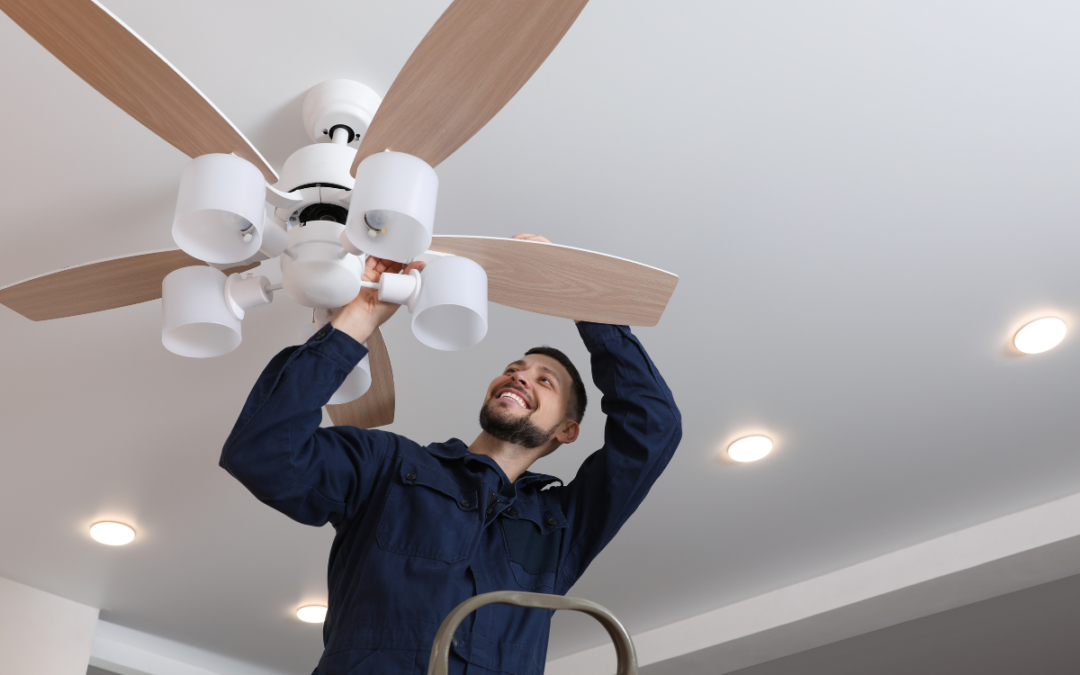
Ceiling fans are one of the most practical additions to any home or commercial space. They improve air circulation, increase comfort, and can even help reduce energy consumption when used alongside heating and cooling systems. While many people focus on selecting the right fan design or size, one critical step is often overlooked – conducting a thorough electrical safety check before and during installation.
A professionally installed ceiling fan is not just about mounting the fixture securely. It also involves verifying that the electrical system can safely support the new installation. Whether you’re replacing an existing fan or installing one in a new location, an electrical safety inspection helps prevent hazards and ensures reliable, long-term performance. Hybrid Power Electric emphasizes safe, code-compliant installations that prioritize both functionality and homeowner safety.
Why Electrical Safety Matters
A ceiling fan is an electrical appliance that operates continuously for long periods. Unlike standard light fixtures, ceiling fans create constant movement and vibration, placing additional stress on electrical boxes, mounting hardware, and wiring.
Without proper electrical checks, hidden issues may go unnoticed, including:
- Loose electrical connections
- Outdated or damaged wiring
- Incorrect circuit capacity
- Improper grounding
- Weak mounting supports
Addressing these concerns before installation significantly reduces the risk of electrical faults and equipment failure.
Verifying the Electrical Box
One of the most important safety inspections involves checking the existing electrical box.
Many older homes have ceiling boxes designed only for light fixtures. These boxes are often unable to support the additional weight and continuous movement of a ceiling fan. Installing a fan on an unsuitable box can lead to instability, vibration, or even complete detachment.
Professional electricians inspect the mounting location and replace the box with a fan-rated electrical box whenever necessary, providing a secure foundation for safe operation.
Inspecting Existing Wiring
Electrical wiring naturally ages over time. Damaged insulation, loose terminals, or outdated wiring methods may not be visible without a professional inspection.
Before installing a ceiling fan, electricians evaluate:
- Wire condition
- Connection quality
- Proper grounding
- Circuit compatibility
- Compliance with electrical standards
Identifying these issues early helps avoid future electrical problems while improving overall system reliability.
Confirming Circuit Capacity
Every electrical circuit has a maximum load it can safely support.
Adding a ceiling fan to an already overloaded circuit may result in:
- Frequent breaker trips
- Flickering lights
- Reduced appliance performance
- Potential overheating
An electrical safety check ensures the circuit has sufficient capacity for the additional load and that all components operate safely together.
Ensuring Proper Grounding
Grounding plays an essential role in protecting both people and electrical equipment.
A properly grounded ceiling fan helps reduce the risk of electric shock while protecting sensitive electrical components from faults or unexpected surges.
During installation, licensed electricians verify that grounding connections meet current electrical safety requirements.
Preventing Fire Hazards
Faulty wiring remains one of the leading causes of residential electrical problems.
Loose connections, overloaded circuits, and deteriorated wiring can generate excessive heat over time. Without inspection, these hidden issues may continue unnoticed until they become serious safety hazards.
Electrical safety checks help identify and correct potential risks before they lead to costly repairs or dangerous situations.
Improving Fan Performance
Safety inspections also contribute to better overall performance.
A professionally installed ceiling fan should:
- Operate quietly
- Run smoothly without wobbling
- Maintain consistent speeds
- Deliver efficient airflow
- Operate reliably for years
Proper mounting, balanced installation, and secure electrical connections all contribute to improved functionality and longer equipment life.
Supporting Modern Fan Features
Today’s ceiling fans often include advanced features such as:
- LED lighting
- Remote controls
- Smart home integration
- Variable speed settings
- Reversible motors
These features require correct wiring and compatible electrical systems.
Professional electricians verify that the existing electrical infrastructure supports these additional functions, ensuring reliable operation after installation.
Why Professional Installation Makes a Difference
Although ceiling fan installation may appear straightforward, the process involves far more than attaching the fan to the ceiling.
Qualified electricians understand:
- Electrical load calculations
- Safe wiring practices
- Fan-rated mounting requirements
- Local electrical codes
- Long-term system reliability
Professional installation provides confidence that every aspect of the project has been completed safely and correctly.
Long-Term Benefits of an Electrical Safety Check
Including an electrical safety inspection during ceiling fan installation offers several long-term advantages:
- Improved household safety
- Reduced risk of electrical failures
- Better fan efficiency
- Longer equipment lifespan
- Compliance with electrical regulations
- Greater peace of mind
These benefits often outweigh the small additional time required for a thorough inspection.
Conclusion
Installing a ceiling fan involves much more than improving comfort and airflow. A complete electrical safety check ensures that wiring, mounting hardware, grounding, and circuit capacity all meet modern safety standards before the fan begins operating.
By combining professional installation with a comprehensive electrical inspection, homeowners and businesses can enjoy reliable performance, greater energy efficiency, and enhanced electrical safety for years to come.