
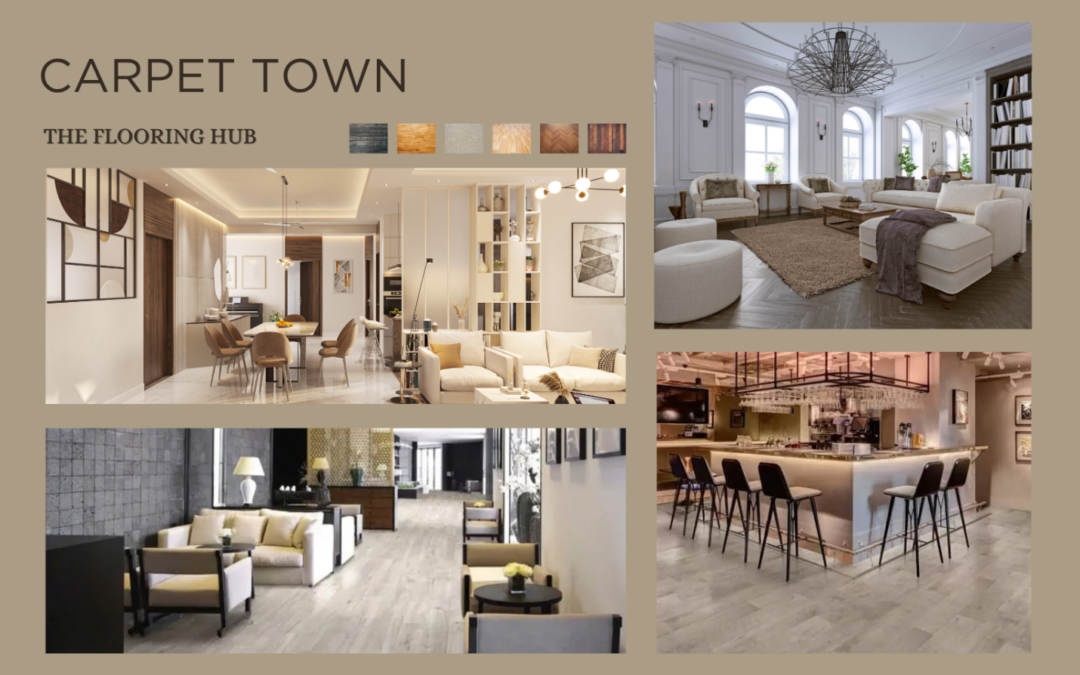
Choosing commercial flooring involves more than finding a surface that looks attractive. Business premises experience different demands from a typical home, including higher foot traffic, workplace requirements, frequent cleaning and the need to maintain a professional appearance. When exploring carpet and flooring Sydney options, businesses need to consider how a flooring product will perform in its specific environment. Professional flooring installation Sydney can also play an important role in achieving a durable and functional finished floor.
How Is Commercial Flooring Different From Residential Flooring?
Residential flooring is generally selected around household lifestyle, comfort and personal design preferences. Commercial flooring has a broader set of considerations because the floor forms part of a working environment.
An office may experience continuous movement between workstations, while a retail store may receive customers throughout the day. Healthcare, education and hospitality environments can have their own requirements for hygiene, safety and maintenance. This means businesses should look beyond colour and appearance when selecting a floor.
Consider the Level of Foot Traffic
One of the first questions businesses should ask is how many people will regularly use the space.
A quiet private office has different requirements from a busy reception area, retail showroom or hospitality venue. High-traffic areas can place greater demands on the flooring surface, making durability and appropriate product selection important considerations.
Commercial flooring products are available in different constructions and specifications, so businesses should match the product to the expected level of use rather than selecting solely on appearance.
Think About Cleaning and Maintenance
Commercial floors often need regular cleaning because businesses cannot always wait for extensive maintenance between working days.
The flooring material should therefore be considered in relation to the cleaning methods, spills and general conditions it is likely to encounter. Vinyl, for example, can be a practical consideration for environments where easy cleaning is important. Carpet may provide a different combination of comfort and appearance, while other hard-flooring options can create different maintenance requirements.
The key is to consider the day-to-day environment before making a decision.
Don’t Ignore Safety Requirements
Safety is another important consideration for commercial premises. Depending on the type of business and location, flooring may need to satisfy particular performance or safety requirements.
The commercial flooring range includes products designed for areas requiring specific safety standards, alongside options intended for heavy-traffic environments.
Businesses should discuss the requirements of their premises with a flooring professional rather than assuming that every product is suitable for every commercial application.
Consider the Brand and Professional Appearance
Flooring can influence how customers, employees and visitors experience a commercial space.
An office may benefit from a refined and professional appearance, while a retail environment might use flooring to complement its branding and interior design. Hospitality spaces may require a balance between visual appeal and practical performance.
Commercial flooring therefore needs to work with the wider interior rather than being treated as an isolated design feature.
Think About Installation and Project Timing
A good product still needs appropriate installation. Commercial projects can involve larger areas, existing flooring removal, subfloor preparation and coordination with other renovation work.
Businesses should discuss the installation process before ordering materials. Carpet Town provides professional flooring installation across its flooring ranges and works with both residential and commercial projects.
Planning installation properly can also help businesses understand the expected preparation, scheduling and project requirements before work begins.
Match the Flooring to the Type of Business
There is no single commercial floor that works for every business.
An office, medical facility, school, retail shop and restaurant can have completely different requirements. Carpet Town’s commercial collection includes commercial sheet vinyl, luxury vinyl, homogeneous and heterogeneous vinyl, hybrid flooring, carpet and other specialist options.
The right choice should therefore start with the environment. Consider foot traffic, cleaning, safety, visual requirements, comfort, installation conditions and the expected lifespan of the flooring before comparing individual products.
What Should Businesses Ask Before Choosing?
Before committing to a commercial flooring product, businesses can ask:
- How much daily foot traffic will the area receive?
- What types of cleaning will the floor require?
- Are there specific safety or performance requirements?
- Does the flooring suit the business’s interior design?
- How much disruption could installation cause?
- Does the product suit the existing subfloor?
- Will different areas require different flooring solutions?
Answering these questions can make the selection process more structured and help businesses focus on flooring that suits their actual working environment.
Conclusion
Commercial flooring needs to do more than create an attractive surface. It needs to work with the demands of the business, from daily foot traffic and cleaning to safety, appearance and installation requirements. By assessing the environment first and then comparing suitable flooring materials, businesses can make a more informed decision.
With commercial flooring options spanning carpet, vinyl, hybrid and other specialist surfaces, Carpet Town provides businesses with professional guidance and installation support to help create practical and well-finished commercial spaces.