
Introduction
Discovering that you are pregnant can bring a mixture of happiness, anticipation, and questions about what happens next. During the early weeks, many expectant parents want to understand how their pregnancy is progressing and when they might see their developing baby for the first time. Searching for an early scan near me can help you explore local ultrasound services and learn about the options available during the first trimester. An early pregnancy ultrasound can provide useful information about the pregnancy’s location, estimated gestational age, and early development, depending on the stage of pregnancy and the images obtained. Knowing what to expect can help you prepare for your appointment with greater confidence.
What Is an Early Pregnancy Scan?
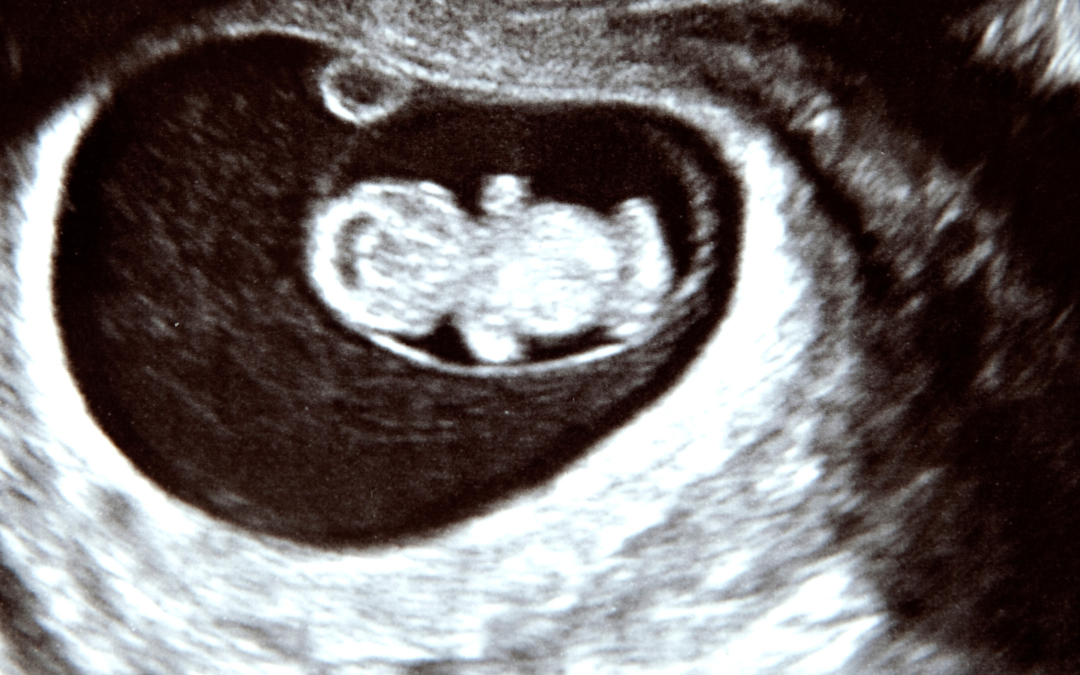
An early pregnancy scan is an ultrasound examination performed during the first weeks of pregnancy. It uses high-frequency sound waves to produce images of structures inside the body, allowing a trained professional to assess certain aspects of early pregnancy.
The scan may be offered when someone wants information about pregnancy dating, has been advised to undergo an ultrasound, or needs an assessment because of particular symptoms or medical circumstances. The appropriate timing depends on individual needs, pregnancy dates, and clinical advice.
During very early pregnancy, the developing embryo may be too small to see clearly. Therefore, the information available from one appointment can differ significantly from what may be visible a week or two later.
What Can Your First Pregnancy Ultrasound Reveal?
An early ultrasound can provide several important details, although the findings depend on the stage of pregnancy and the type of examination.
1. Pregnancy Location
One purpose of an early ultrasound is to assess where the pregnancy is located. A clinician may examine the uterus to determine whether the pregnancy is developing inside it. This is particularly important when there are symptoms or clinical concerns that require assessment for an ectopic pregnancy, which develops outside the uterus.
2. Estimated Pregnancy Dates
Ultrasound measurements may help estimate how many weeks pregnant you are. This can be useful when menstrual cycles are irregular or the date of the last menstrual period is uncertain. Early measurements can assist with pregnancy dating, although the accuracy depends on the timing and quality of the scan.
3. Early Development
Depending on how far the pregnancy has progressed, the sonographer may be able to identify the gestational sac, yolk sac, embryo, and cardiac activity. These structures do not necessarily become visible at the same time, so an early appointment may not reveal every expected detail.
4. Number of Embryos
An ultrasound may identify whether a pregnancy involves one embryo or more than one. In some cases, further assessment may be recommended to clarify the findings.
It is important to understand that an early scan cannot guarantee that a pregnancy will continue normally. Your healthcare professional can explain the results in the context of your individual circumstances.
When Should You Book an Early Pregnancy Scan?
The best time for an early ultrasound depends on your reason for having it. Some scans can provide useful information from around six weeks of pregnancy, but the findings may be inconclusive if the examination takes place too early.
Pregnancy dates are not always exact because ovulation and implantation can occur later than expected. If the scan does not show all the anticipated structures, this does not automatically mean something is wrong. Your clinician may recommend another ultrasound after an appropriate interval or additional assessment, depending on the findings.
If you experience severe abdominal pain, heavy bleeding, shoulder-tip pain, dizziness, or fainting during pregnancy, seek urgent medical assessment rather than waiting for a routine scan appointment.
What Happens During the Appointment?
Your appointment usually begins with questions about your pregnancy dates, medical history, and reason for the examination. The ultrasound may be performed abdominally, using a probe over your lower abdomen, or transvaginally, using a specially designed probe inside the vagina when clinically appropriate.
A transvaginal examination can sometimes provide clearer images during very early pregnancy. The professional should explain the procedure, answer your questions, and obtain your informed consent before proceeding.
After the examination, the findings should be explained clearly. If the results are uncertain, you may be advised about follow-up scans or further clinical care.
How Can You Prepare for Your First Scan?
Before your appointment, confirm the clinic’s preparation instructions because bladder requirements can vary depending on the type of ultrasound. Bring relevant pregnancy dates and any previous scan reports if available.
You may also find it helpful to prepare questions about the procedure, expected findings, appointment duration, and how results will be communicated. Remember that every pregnancy develops at its own pace, and an early scan may not provide every answer immediately.
Conclusion
A first pregnancy ultrasound can be an important step towards understanding early pregnancy development. Learning about scan timing, possible findings, and follow-up recommendations can help you approach your appointment with realistic expectations. For expectant parents exploring private pregnancy scanning options, Miracle Inside Diagnostic Scan Clinic provides a place to enquire about available ultrasound services and appointment arrangements. Always discuss medical concerns with a qualified healthcare professional and follow recommended antenatal care throughout your pregnancy.