
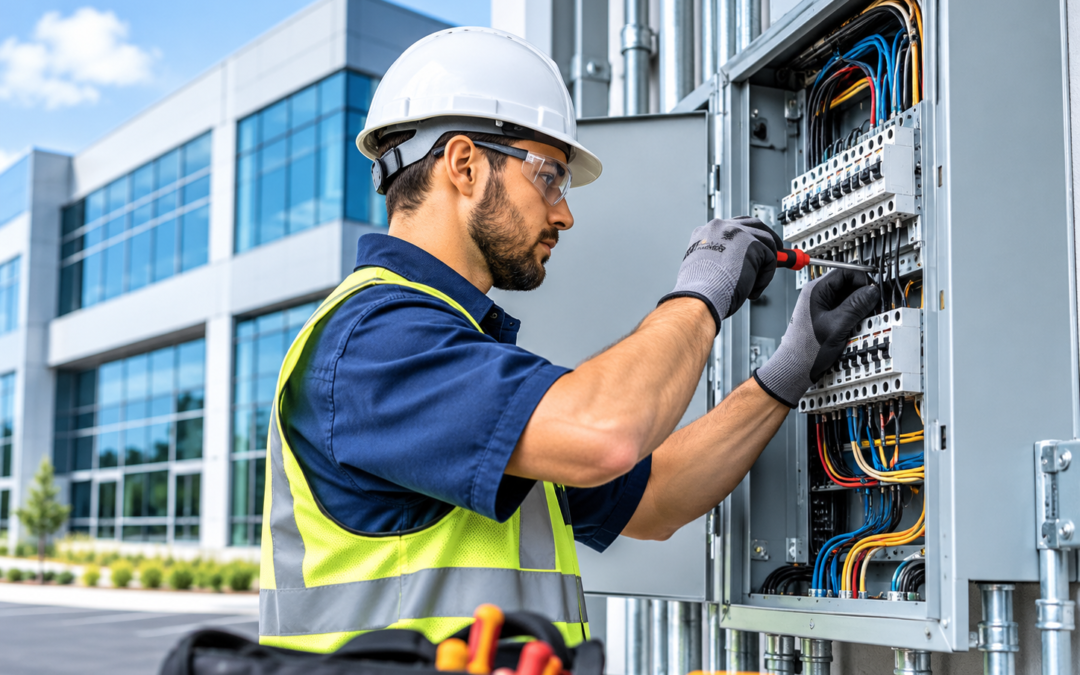
Commercial buildings rely on well-maintained electrical infrastructure to support daily activities, workplace productivity and operational safety. From lighting systems and power distribution panels to electrical wiring and equipment connections, every component plays an important role in maintaining a functional business environment. When electrical systems develop faults, they can cause unexpected interruptions, equipment damage and potential safety concerns.
A structured approach to electrical maintenance and repair helps commercial property owners address these challenges before they affect normal operations. Understanding common electrical problems, identifying warning signs and arranging professional repairs are essential steps towards maintaining dependable building infrastructure.
Understanding the Importance of Commercial Electrical Infrastructure
Electrical infrastructure forms the foundation of modern commercial buildings. Offices, retail spaces, warehouses and industrial facilities depend on consistent electricity to operate lighting, computers, machinery, security systems and other essential equipment.
As buildings expand and electrical demands increase, existing systems may experience additional pressure. Ageing wiring, overloaded circuits, damaged connections and outdated electrical components can affect overall performance.
Regular inspections and timely Commercial Electrical Repair help identify developing issues and maintain the reliability of electrical installations. Addressing faults early can also reduce the likelihood of unexpected breakdowns and costly operational interruptions.
Common Electrical Problems in Commercial Buildings
Commercial electrical systems can experience various problems depending on their age, usage and installation condition. Some issues require immediate professional attention to prevent further complications.
1. Overloaded Electrical Circuits
Commercial premises often operate multiple electrical appliances and machines simultaneously. When circuits exceed their intended capacity, they may trip repeatedly or generate excessive heat. A qualified electrician can assess the electrical load and recommend appropriate repair or circuit improvements.
2. Damaged or Ageing Wiring
Electrical wiring can deteriorate over time due to wear, environmental conditions and increased usage. Damaged insulation, loose connections and exposed conductors may create serious electrical hazards. Professional assessment helps determine whether repairs or replacement are necessary.
3. Faulty Electrical Panels
Distribution boards manage the supply of electricity throughout a commercial property. Problems involving breakers, connections or internal components can affect power distribution and cause interruptions. Prompt diagnosis helps restore safe and reliable operation.
4. Lighting System Failures
Poor lighting performance, flickering fixtures and repeated lamp failures can indicate problems with electrical connections, switches or lighting circuits. Resolving these issues improves visibility and supports a more comfortable working environment.
Effective Strategies for Commercial Electrical Repairs
A planned repair approach allows businesses to manage electrical problems efficiently while maintaining workplace safety. Rather than addressing faults only after a complete breakdown, commercial property managers should consider the overall condition and performance of their electrical infrastructure.
Prioritise Electrical Fault Diagnosis
Accurate fault identification is the first step towards effective repairs. Professional electricians use appropriate testing equipment to examine circuits, connections, distribution boards and electrical components. Identifying the underlying cause helps prevent temporary fixes and recurring problems.
Schedule Professional Electrical Inspections
Routine inspections help identify deteriorating components, loose connections and potential electrical hazards. Inspection schedules should reflect the building’s electrical demand, equipment usage and applicable safety requirements.
Address Critical Repairs Promptly
Electrical problems affecting essential business equipment, power distribution or workplace safety should receive immediate attention. Prioritising critical faults can help limit operational disruption and prevent further damage to connected systems.
Use Suitable Replacement Components
When damaged electrical components require replacement, selecting compatible and appropriately rated equipment is important. Professional installation ensures that replacement parts meet the system’s technical requirements and applicable electrical standards.
The Role of Electrical Maintenance in Business Continuity
Unexpected electrical failures can affect more than the building’s power supply. They may interrupt communication systems, disrupt equipment operation, delay customer services and create challenges for employees.
A well-organised maintenance strategy helps businesses reduce these risks. Property managers should maintain records of electrical inspections, completed repairs and recurring faults. This information makes it easier to identify patterns and plan future maintenance activities.
Combining preventive maintenance with professional repair services also helps businesses manage electrical infrastructure more effectively. It supports consistent building performance while reducing the likelihood of avoidable disruptions.
Improving Electrical Safety Across Commercial Premises
Electrical safety should remain a priority throughout the repair and maintenance process. Damaged cables, exposed wiring, overheating equipment and frequently tripping breakers should never be ignored.
Commercial property owners should ensure that electrical work is completed by appropriately qualified professionals. Electrical installations and repairs must follow relevant regulations and safety requirements.
Employees should also understand basic warning signs, including burning smells, unusual buzzing sounds, visible damage and unexpected power interruptions. Reporting these concerns promptly allows qualified professionals to investigate potential faults before they become more serious.
Choosing the Right Electrical Repair Professional
Selecting a suitable electrical contractor is an important part of maintaining commercial infrastructure. Businesses should consider the contractor’s experience with commercial electrical systems, ability to diagnose complex faults and understanding of relevant safety requirements.
Clear communication is equally important. A professional electrician should explain the identified problem, recommend appropriate repair options and provide information about the work required.
Businesses should also consider response times, service availability and experience with the type of electrical infrastructure installed at their premises. These factors help property managers make informed decisions when arranging repairs.
Final Thoughts
Reliable electrical infrastructure is essential for maintaining safe, productive and efficient commercial buildings. From resolving overloaded circuits and damaged wiring to repairing distribution panels and lighting systems, timely professional attention helps protect building operations.
Taking a proactive approach to inspections, fault diagnosis and Commercial Electrical Repair allows businesses to manage electrical risks and reduce unnecessary interruptions. By working with experienced electrical professionals and maintaining their infrastructure responsibly, commercial property owners can support dependable building performance over the long term.