
Introduction
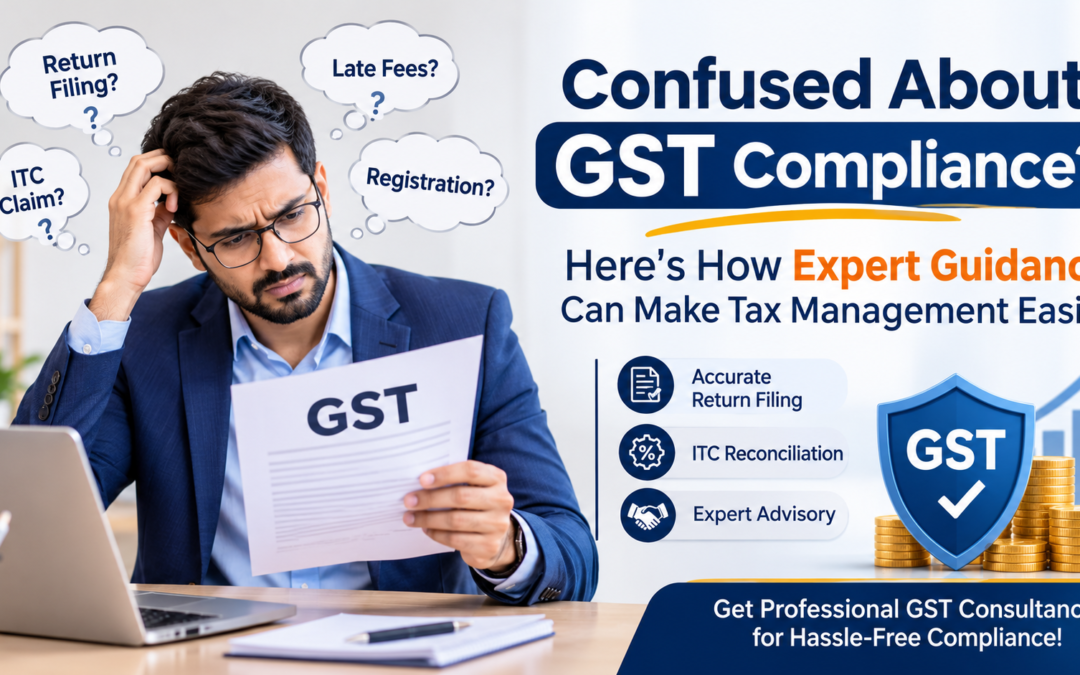
Goods and Services Tax (GST) has made India’s indirect tax system more organised, but managing its compliance requirements can still be challenging for business owners. From maintaining accurate invoices and tracking tax payments to filing returns within prescribed deadlines, even a small mistake can create unnecessary complications. For startups, small businesses and established companies, understanding these responsibilities is essential for smooth operations. Taking support from professionals offering gst consultancy in ahmedabad can help businesses understand their obligations, maintain accurate records and manage tax-related activities more efficiently.
Understanding the Common Challenges of GST Compliance
GST compliance involves more than simply submitting returns every month or quarter. Businesses must maintain proper sales and purchase records, apply the correct tax rates, verify invoices and ensure that reported figures match their accounting records.
Some common challenges include:
- Changing compliance requirements: Businesses need to stay informed about applicable GST rules, notifications and filing procedures.
- Incorrect invoice details: Errors in GSTIN, taxable values or tax calculations can lead to mismatches.
- Input Tax Credit confusion: Claiming eligible ITC requires checking purchase records and relevant GST information.
- Missed deadlines: Delayed filings may result in interest, late fees or other consequences under applicable provisions.
- Record management: Maintaining organised financial documents becomes difficult when transactions increase.
Without a systematic approach, these issues can consume valuable time and affect business planning.
How Professional Guidance Simplifies GST Management
Professional assistance can make GST-related responsibilities more organised by helping businesses understand their requirements and follow a structured compliance process.
1. Accurate GST Return Filing
GST returns contain important information about sales, purchases, tax liabilities and eligible credits. Professionals can help review transaction details, reconcile accounting records and prepare applicable returns such as GSTR-1 and GSTR-3B. Accurate reporting helps reduce avoidable errors and keeps the business’s tax records consistent.
2. Better Input Tax Credit Reconciliation
Input Tax Credit (ITC) can help eligible registered businesses reduce their GST liability, subject to applicable conditions. However, claiming credit without proper verification may create compliance risks.
A professional review can compare purchase registers, books of accounts and information available through relevant GST statements, including GSTR-2B. This process helps identify missing invoices, incorrect GSTINs, duplicate entries and differences in tax amounts before they become larger issues.
3. Timely Compliance and Record Maintenance
Maintaining a compliance calendar is a practical way to manage filing responsibilities. A tax professional can help identify applicable return due dates, organise supporting documents and track pending requirements. Proper bookkeeping and regular reconciliation also make it easier to prepare financial information when required.
4. Assistance with GST Registration and Changes
Businesses starting operations or expanding into new activities may need guidance on GST registration and related updates. Professional support can help review registration applicability, verify documents, select appropriate business details and prepare applications. Assistance may also be useful when making amendments, adding business locations or handling cancellation-related procedures.
5. Support for GST Notices, Refunds and Audits
Receiving a GST notice can be stressful, particularly when the reason for the communication is unclear. Expert guidance can help examine the issue, review relevant records and prepare an appropriate response within the prescribed timeline.
Businesses may also require assistance with eligible GST refund applications, departmental proceedings, appeals or audit-related documentation. Proper preparation helps ensure that the information submitted is complete and supported by records.
Why GST Planning Matters for Business Growth
Effective GST management is not only about avoiding filing mistakes. It also supports better financial visibility and decision-making. When tax records are accurate and updated, business owners can understand their tax liabilities, monitor cash flow and plan payments more confidently.
Regular reviews can also help identify recurring accounting errors, improve internal processes and reduce last-minute pressure during filing periods. This is particularly valuable for growing businesses that handle increasing transaction volumes and multiple suppliers or customers.
Conclusion
GST compliance becomes easier when businesses follow organised accounting practices and seek professional guidance whenever necessary. From registration and return filing to ITC reconciliation, refunds and notice management, a structured approach can reduce confusion and support better financial control.
For businesses seeking reliable assistance with taxation and financial compliance, K M GATECHA & CO LLP offers services covering GST registration, return filing, refunds, appeals and related compliance requirements. With appropriate professional support, business owners can manage their GST responsibilities more confidently and devote greater attention to their daily operations and long-term growth.