
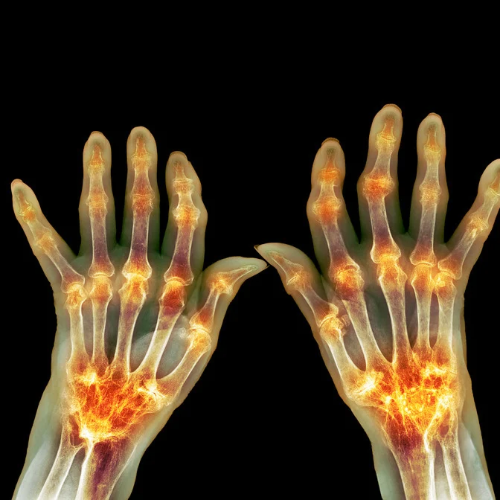
Waking up with stiff, sore joints that feel like they’re frozen in time for hours on end is a frustrating experience. You might ask yourself, “Is this just simple fatigue, normal aging, or something more serious going on inside of my immune system?” When you have joint pain and swelling, simple daily activities such as opening a jar or typing on a keyboard can feel overwhelming.
The first step toward finding long term relief is understanding how specialists evaluate these symptoms. This guide will show you precisely how medical experts diagnose inflammatory joint disorders. You’ll also discover how current clinical evaluations can help eliminate other conditions and make sure you get the right treatment plan for your body.
How Early Diagnosis Helps
Progressive inflammatory conditions such as Rheumatoid Arthritis. If not treated, inflammation will gradually destroy the cartilage and bone tissue around the joints. Early detection of symptoms prevents irreversible joint destruction and reduces chronic fatigue.
Getting medical help early on also helps specialists defend internal organs that are often affected by autoimmune conditions. Dr. Goodwin’s approach targets immune dysfunction at its roots, allowing patients to experience greater flexibility, mobility and overall vitality over time.
Key Diagnostic Methods Used by the Specialists
Diagnosing joint inflammation requires a complete step by step approach. Specialists look at the whole picture, not just one test.
-
Symptom Mapping and Detailed Medical History
To begin, the specialist will talk to you about your symptoms. They ask how long your joints are stiff, how much pain you have, and how energetic you feel on a daily basis. Morning stiffness of more than thirty minutes is a classic sign of systemic inflammation and not simple wear and tear of joints, for example.
-
Physical Exam of Joint Patterns
Your joints are checked for warmth, swelling and tenderness by specialists. They look for specific symmetrical signs, such as swelling in both wrists or matching knuckles on both hands, which often points to an autoimmune response.
-
Targeted Blood Work & Biomarkers
- Blood tests give vital clues about internal inflammation levels. Specialists study specific markers:
- C Reactive Protein and Erythrocyte Sedimentation Rate to assess the systemic inflammation.
- Rheumatoid Factor and Anti Cyclic Citrullinated Peptide antibodies to detect some immune responses.
- Advanced Imaging Methods
Doctors can see inside joints using x-rays, ultrasounds and MRI scans. Ultrasound can show early fluid accumulation and tissue inflammation before structural changes are seen on standard X rays.
Signs That Indicate It is Time to Consult an Expert
Don’t ignore chronic joint issues. If you encounter any of these common situations, you should consult a specialized medical professional:
- Persistent joint swelling lasting longer than two weeks
- Bilateral symmetrical pain (both sides of the body at the same time)
- Unexplained fatigue with a mild low grade fever
- Difficulty performing simple fine motor tasks in the morning
If these symptoms continue, searching for an arthritis specialist near me or a rheumatologist near me will connect you with medical professionals who can run accurate diagnostic panels.
Long-Term Benefits of Specialized Assessment
There are clear benefits to working directly with a dedicated autoimmune disease doctor or rheumatoid arthritis specialist beyond immediate pain relief.
- Efficient Care and Time Savings
- Customized Safety Procedures
- Better quality of life
Tips On How To Pick The Right Specialist
Choosing a doctor guaranties a pleasant diagnostic process. Bear in mind these practical considerations:
- Look for board-certified specialists who specialize in autoimmune and joint inflammatory diseases.
- Choose clinics offering comprehensive onsite diagnostic services, such as advanced imaging and lab testing.
- Choose a practice that highlights open communication with patients and collaborative treatment planning.
Final Thoughts
It can feel overwhelming living with unexplained joint pain and fatigue, but you don’t have to figure it out alone. A proper diagnostic evaluation can bring clarity, relief and a clear direction for managing joint health. To keep your mobility and independence, the best thing to do is act early.
If you or a loved one are struggling with ongoing joint stiffness, consider an assessment with the experts at VIP Rheumatology for individualized expert care to bring back your comfort and peace of mind.