
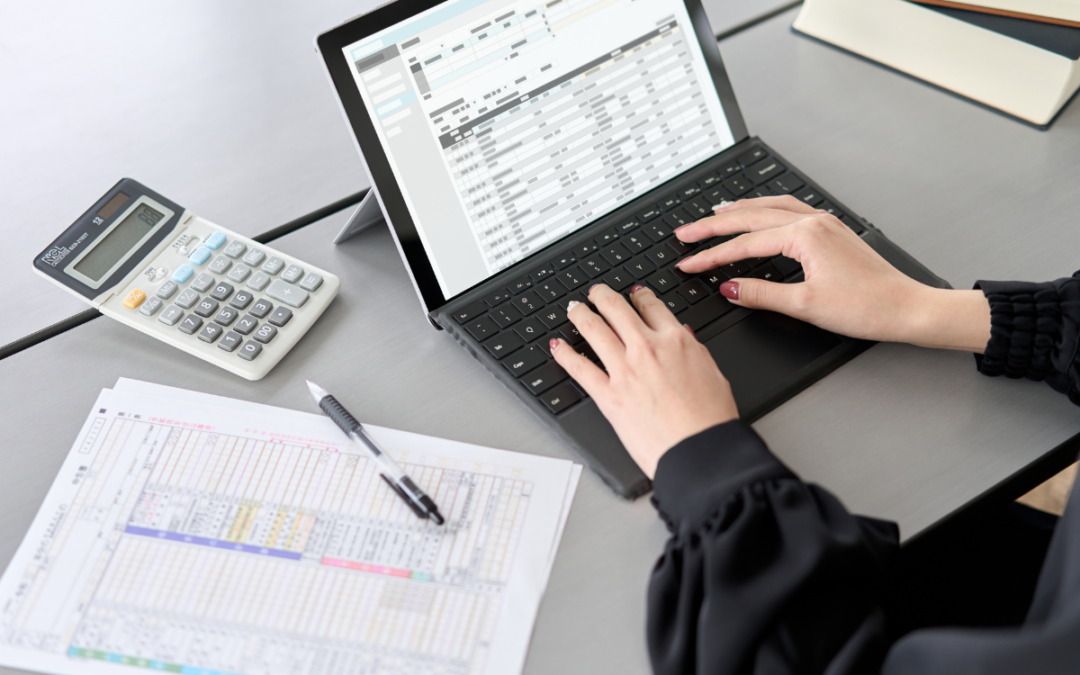
Managing business transactions requires proper planning, accurate record-keeping, and consistent financial monitoring. Every business handles different activities, including sales, purchases, payments, receipts, expenses, and inventory movements. When these transactions increase, maintaining organised financial records can become challenging. Manual documentation and disconnected systems may also create additional work for accounting teams.
Modern accounting software provides businesses with tools to manage financial activities more systematically. Tally Accounting helps organisations record transactions, maintain financial information, and monitor different accounting processes through an integrated platform. By using suitable accounting features, businesses can improve record management and maintain better visibility into their financial operations.
Centralising Different Business Transactions
Businesses process several types of transactions throughout their daily operations. These may include customer invoices, supplier payments, sales receipts, purchase entries, and operational expenses. Maintaining these records separately can make it difficult to understand the overall financial position.
An integrated accounting system helps bring different transaction records together. Employees can create vouchers, maintain ledger accounts, and review financial entries within one organised environment.
Centralised transaction management also makes it easier to retrieve historical information when reviewing business activities. Instead of searching through multiple files, accounting professionals can access relevant records through the software.
Simplifying Sales and Purchase Records
Sales and purchase activities are essential parts of business accounting. Companies need to maintain accurate information about products sold, goods purchased, customer invoices, and supplier bills.
Accounting software helps organise these activities through dedicated voucher and ledger management features. Businesses can record sales and purchase transactions, maintain customer and supplier information, and review outstanding balances.
This organised approach supports better coordination between sales, purchasing, and finance departments. It also helps businesses understand their transaction history and monitor financial commitments more effectively.
Improving Payment and Receipt Tracking
Monitoring incoming and outgoing payments is important for maintaining healthy cash flow. Businesses need to track customer receipts, supplier payments, bank transactions, and other financial movements.
With TallyPrime, accounting teams can record payment and receipt vouchers and maintain relevant ledger information. These records help businesses review completed transactions and identify outstanding amounts.
Organised payment tracking also supports better financial planning. Business owners can review receivables and payables to understand upcoming financial obligations and manage available funds more effectively.
Connecting Inventory with Financial Records
Inventory management and accounting are closely connected, particularly for businesses involved in trading, distribution, and retail operations. Stock purchases, sales, returns, and adjustments can influence financial records and business profitability.
TallyPrime provides inventory management capabilities that help businesses maintain stock records alongside accounting information. Companies can manage stock items, monitor stock movements, and review inventory-related reports.
When inventory and accounting information are maintained within the same system, businesses can improve coordination between operational and financial activities. This can also help management understand how stock levels and product movements affect business performance.
Maintaining Better VAT and Tax Records
Tax-related transactions require organised documentation and accurate financial information. Businesses need to maintain appropriate sales, purchase, and expense records to support their tax reporting responsibilities.
Accounting software with VAT management features can help organise transaction details and calculate applicable tax amounts based on the configured requirements.
For businesses operating in the UAE, maintaining structured VAT records is particularly important. TallyPrime offers taxation-related accounting capabilities that can help businesses manage relevant financial information and prepare VAT reports. Businesses should ensure that their software configuration reflects applicable regulatory requirements.
Making Financial Reports Easier to Access
Financial reports help organisations understand their performance and make informed business decisions. However, preparing reports can become complicated when information is scattered across different records.
TallyPrime provides reporting features that help businesses review financial activities through organised statements and summaries.
Some commonly used reports include:
- Profit and Loss Statements
- Balance Sheets
- Cash Flow Statements
- Sales and Purchase Reports
- Outstanding Receivables and Payables
- Stock Summary Reports
- Day Book Reports
These reports provide useful insights into business transactions, financial position, and operational activities. Regular report reviews can also help identify unusual entries and areas that require attention.
Reducing Repetitive Accounting Work
Accounting teams often spend considerable time entering information, maintaining records, checking balances, and preparing routine reports. Repeating these activities across separate systems can increase administrative workloads.
An integrated accounting platform helps simplify everyday processes by connecting related financial information. Features such as voucher management, predefined masters, automated calculations, and reporting tools can reduce repetitive activities.
This allows employees to focus more on reviewing transactions, maintaining accuracy, and supporting important financial decisions.
As organisations expand, their transaction volumes and accounting requirements generally become more demanding. They may need to manage additional customers, suppliers, inventory items, employees, and financial reports.
Choosing suitable accounting software becomes important for maintaining organised operations. Businesses should evaluate factors such as usability, reporting capabilities, taxation features, inventory management, scalability, and technical support.
Conclusion
Organising multiple business transactions requires accurate records, connected financial processes, and convenient access to important information. From sales and purchases to payments, inventory, taxation, and reporting, integrated accounting software can simplify everyday financial responsibilities.
Tally Accounting provides businesses with practical tools to maintain financial records and coordinate different accounting activities. With support from Saifee Computers LLC, businesses can explore Tally solutions that help establish structured accounting workflows, improve financial visibility, and support long-term operational growth.