
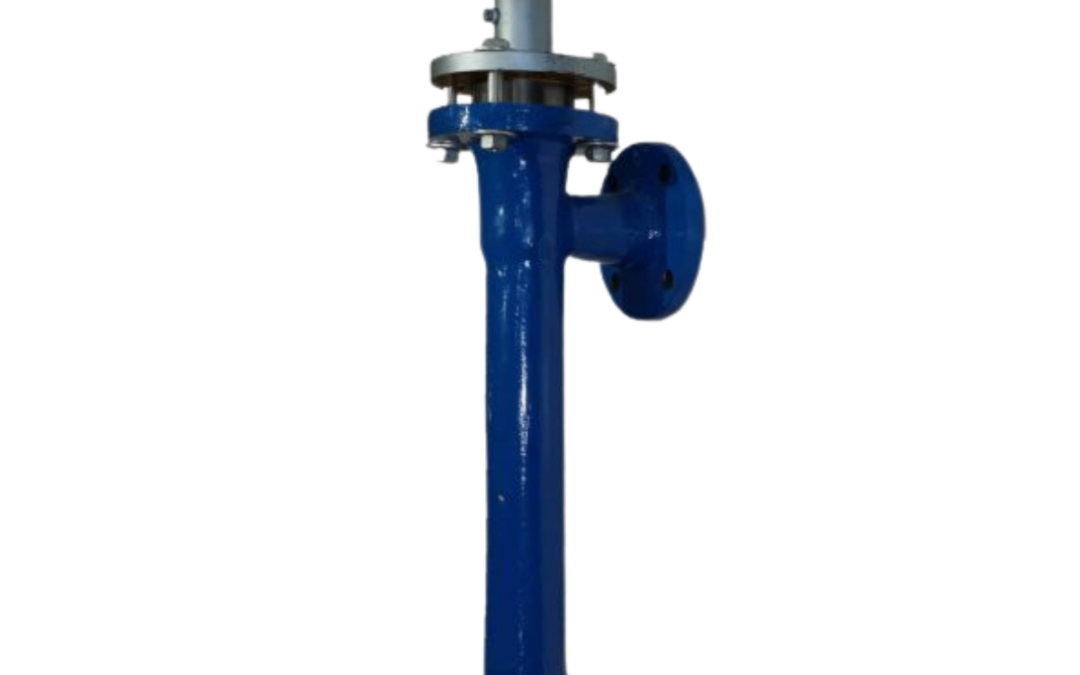
Selecting the right equipment for industrial mixing and fluid handling requires a clear understanding of process conditions, fluid properties, and performance requirements. Industrial eductors are used in many applications because they use the energy of a pressurized motive fluid to draw in and move another fluid. From chemical processing to tank circulation and wastewater handling, choosing the correct eductor design can help improve process reliability and operating efficiency.
What Are Industrial Eductors and How Do They Work?
Industrial eductors are fluid-handling devices that use a motive fluid to entrain and transport a secondary liquid, gas, or suitable mixture. A typical eductor consists of a motive nozzle, suction chamber, mixing section, and diffuser. The design allows fluid movement without a conventional mechanical drive inside the device.
When the motive fluid passes through the nozzle, its velocity increases and its static pressure decreases. This creates a low-pressure region that draws the secondary fluid into the mixing chamber. The streams mix and pass through the diffuser, where some velocity energy is converted into pressure. This operating principle makes liquid jet eductors useful for a variety of industrial fluid-handling duties.
Which Application Do You Need the Eductor For?
Before selecting an eductor, identify the specific process requirement. Industrial eductors can be used for tank mixing, liquid transfer, chemical dilution, sump emptying, and circulation, depending on their design and operating conditions. Each application has different performance requirements, so the intended function should guide the equipment selection.
For tank mixing, the objective may be to circulate liquid and improve uniformity throughout the vessel. For transfer applications, the priority may be moving a specified liquid flow against a particular discharge pressure. When reviewing options from eductor manufacturers, explain the application clearly so the proposed design matches the required duty rather than relying on equipment size alone.
How Important Are Motive Pressure and Flow Rate?
Motive-fluid pressure and flow rate are essential selection parameters for liquid jet eductors. The available motive-fluid energy influences how much secondary fluid the eductor can entrain and the pressure at which the combined stream can discharge. Insufficient motive pressure may prevent the equipment from achieving the required performance.
Engineers should establish the available motive-fluid supply, required suction flow, discharge pressure, and expected pressure losses. Experienced eductor manufacturers can use these details alongside performance curves to assess whether a proposed configuration will meet the application’s operating requirements. The relationship between motive flow, suction capacity, and discharge pressure should always be evaluated at the intended operating point.
Which Fluid Properties Should You Consider?
Fluid properties influence the performance and material requirements of industrial eductors. Important factors include viscosity, density, temperature, chemical composition, corrosiveness, and the presence of suspended solids. These characteristics affect entrainment, flow resistance, wear, and the suitability of different construction materials.
For chemical processing applications, selecting compatible materials is especially important. Stainless steel, specialized alloys, plastics, or other materials may be appropriate depending on the service conditions. When specifying liquid jet eductors, engineers should also evaluate particle size and solids concentration if the equipment will handle slurries, as unsuitable designs can experience erosion, blockage, or reduced performance.
How Do You Determine Suction Capacity and Discharge Pressure?
The correct selection of industrial eductors depends on matching suction requirements with the available motive-fluid conditions and required discharge pressure. Engineers should calculate the required secondary-fluid flow rate and assess the resistance of the connected piping and downstream equipment. These factors influence the operating point and the amount of fluid that can be entrained.
Performance curves supplied by eductor manufacturers help establish the relationship between motive pressure, motive flow, suction capacity, and discharge conditions. An eductor that performs effectively at a low discharge backpressure may deliver a different suction flow when connected to a system with greater resistance. Selection should therefore be based on verified performance data rather than inlet pipe diameter alone.
What Installation and Maintenance Factors Matter?
Installation conditions can affect the reliability of liquid jet eductors. Engineers should consider the available installation space, piping arrangement, suction-line length, elevation differences, and access for inspection. Unnecessary flow resistance or air leakage in the suction line may affect performance, depending on the application.
Although industrial eductors generally have no moving mechanical parts within the device itself, inspection remains important. Nozzle wear, deposits, corrosion, and changes in fluid conditions can reduce efficiency or alter operating performance. Appropriate material selection, accessible installation, and a maintenance plan based on actual service conditions can help support reliable operation.
How Should You Compare Eductor Manufacturers?
When evaluating eductor manufacturers, compare technical capabilities as well as purchase price. Important considerations include published performance curves, material options, customization capabilities, application experience, operating limits, and engineering support. These details help determine whether the supplier can meet the specific demands of your process.
Provide prospective suppliers with the motive-fluid pressure and flow rate, suction requirements, discharge conditions, fluid properties, and installation details. For more complex liquid jet eductors applications, process diagrams and operating data can help engineers evaluate the proposed configuration. Comparing operating costs, maintenance needs, and expected service conditions provides a more complete basis for selecting equipment.
Conclusion
Choosing the right industrial eductors for mixing and fluid handling requires careful consideration of application requirements, motive-fluid conditions, fluid properties, suction capacity, discharge pressure, and construction materials. Evaluating these parameters together helps engineers identify equipment that meets process requirements and supports dependable operation.
For engineers exploring liquid jet eductors and seeking technical information from experienced eductor manufacturers, Croll Reynolds provides industrial eductor solutions for a range of process applications.