
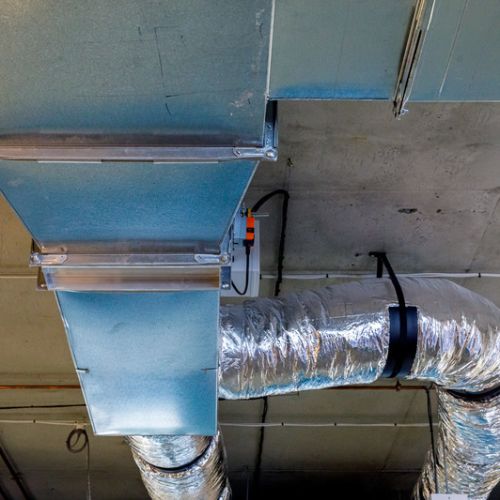
Maintaining clean ventilation systems is essential for creating a comfortable, healthy, and efficient indoor environment. In commercial buildings, dust, airborne particles, and other contaminants can gradually accumulate inside ventilation ducts, affecting airflow and overall system performance. Understanding when TR19 ductwork cleaning is needed helps building managers, facility operators, and business owners maintain suitable ventilation conditions and plan maintenance more effectively. Rather than relying on guesswork, businesses should consider factors such as building usage, ventilation performance, contamination levels, and inspection findings when deciding on a cleaning schedule.
Consider the Type of Commercial Building
Different commercial environments have different ventilation requirements. An office building may primarily accumulate dust and everyday airborne particles, while a busy restaurant, hotel, hospital, or industrial facility may experience different types and levels of contamination.
Buildings with high occupancy or demanding ventilation requirements may need more frequent inspections. For example, facilities operating for extended hours can experience greater air circulation and particle accumulation over time.
Building managers should assess how the premises are used, how many people occupy the space, and whether specific activities introduce additional contaminants into the ventilation system. These factors help determine an appropriate maintenance schedule rather than applying the same cleaning frequency to every property.
Look for Changes in Airflow and Ventilation Performance
A noticeable change in ventilation performance can indicate that the system needs inspection. Reduced airflow, uneven air distribution, or recurring ventilation problems may be associated with contamination inside the ductwork, although mechanical faults, blocked filters, and other issues can produce similar symptoms.
If certain rooms feel poorly ventilated or the HVAC system appears to be working harder than usual, a qualified professional should investigate the cause.
Regular inspections help identify potential problems before they affect the wider ventilation system. Cleaning should be recommended when inspection findings establish that contamination is contributing to reduced performance. This approach helps businesses avoid unnecessary cleaning while addressing issues that could affect comfort and operational efficiency.
Follow Relevant Industry Guidance and Inspection Findings
Commercial property managers should use recognised industry guidance when planning ventilation maintenance. In the UK, TR19 Air provides guidance for the assessment and cleaning of ventilation ductwork, helping businesses approach cleanliness and maintenance systematically.
The appropriate cleaning interval depends on the type of ventilation system, its operating conditions, and the level of contamination identified. A professional assessment can establish whether cleaning is required and help determine the next inspection date.
Keeping inspection reports, maintenance records, and recommendations together makes it easier to monitor the condition of the system over time. It also helps building managers demonstrate that ventilation maintenance is being considered and managed responsibly.
Assess Dust and Contaminant Build-Up
Dust, fibres, and other airborne particles can accumulate inside ventilation ductwork as air moves through a building. The amount and type of contamination depend on factors such as indoor activities, filtration, the external environment, and the condition of the ventilation equipment.
A visible build-up around air vents may justify further investigation, but it does not automatically prove that the entire duct system requires cleaning. Equally, ducts that appear clean at accessible points may contain contamination in less visible sections.
Professional inspections can assess the internal condition of the system and identify areas requiring attention. Where cleaning is necessary, the work should be appropriate to the ductwork design and contamination present. This targeted approach supports effective maintenance and helps prevent avoidable disruption to normal business operations.
Pay Attention to Building Renovations and Changes in Use
Construction, refurbishment, and changes to building use can affect ventilation cleanliness. Renovation work may introduce fine dust and debris, while converting an office into another type of commercial space may change the demands placed on the existing ventilation system.
Before a refurbished building returns to normal occupancy, managers should consider whether the ventilation system needs inspection and whether construction-related contamination has entered the ductwork.
Similarly, a business that expands its operations, increases occupancy, or changes its working processes should review its existing maintenance arrangements. A schedule that was suitable for a previous use may no longer be appropriate.
Assessing ventilation conditions after significant changes helps ensure that maintenance decisions reflect the building’s current requirements.
Review Maintenance History and Previous Cleaning Reports
Previous inspection findings are valuable when deciding when to arrange further ductwork cleaning. Records may reveal recurring contamination, areas that collect debris more quickly, or sections of the system that need closer monitoring.
If a system has not been inspected for an extended period, its current condition may be uncertain. This does not automatically mean cleaning is overdue, but it does provide a reason to arrange an assessment.
Building managers should retain cleaning certificates, inspection reports, photographs where appropriate, and recommendations from qualified contractors. Reviewing this information helps identify patterns and supports more informed maintenance planning.
A documented maintenance history also makes it easier to coordinate inspections with other building services, reducing the likelihood of missed maintenance tasks or unnecessary repeat visits.
Understand the Difference between General Ventilation and Kitchen Extraction
Not all commercial ventilation systems should be managed in the same way. General ventilation ductwork and kitchen extraction systems have different operating conditions and contamination risks.
Kitchen extraction systems can accumulate grease from cooking processes. If grease is allowed to build up, it can increase fire risk and obstruct effective extraction. Businesses operating commercial kitchens should therefore arrange appropriate inspections and cleaning in line with applicable guidance, system conditions, and fire safety requirements.
TR19 Air guidance addresses general ventilation cleanliness, while TR19 Grease provides guidance relevant to kitchen extract systems. Understanding this distinction helps businesses select the appropriate inspection and cleaning approach for each system.
Restaurant owners, hotel operators, and catering managers should ensure that their maintenance arrangements account for the particular demands of their cooking equipment and extraction systems.
Plan Cleaning Around Business Operations
Commercial ductwork cleaning may involve access equipment, work in ceiling voids, and temporary restrictions around certain areas. Planning the work carefully can help reduce disruption to employees, customers, and daily operations.
Where possible, businesses should coordinate cleaning with quieter operating periods or planned maintenance shutdowns. Building managers should also discuss access requirements, health and safety arrangements, and any necessary precautions with the service provider before work begins.
However, scheduling convenience should not override an identified maintenance need. If an inspection reveals a significant issue, the business should discuss the appropriate response and timescale with a qualified professional.
Good planning allows essential maintenance to be completed more efficiently while helping the premises return to normal operation promptly.
Conclusion
Determining when commercial ductwork should be cleaned requires more than following a fixed calendar. Building usage, airflow changes, contamination levels, refurbishment work, inspection results, and previous maintenance records all influence the decision. Regular professional assessments help businesses identify when cleaning is necessary and establish a suitable maintenance plan.
For commercial properties across Scotland, Pro Vent Compliance provides ventilation hygiene services, including AHU cleaning and TR19-related ductwork cleaning support. Working with experienced professionals can help building managers assess their systems, address identified contamination, and maintain a more organized approach to ventilation hygiene.