







Eye health is crucial for maintaining overall quality of life, as vision plays a central role in daily activities, work, and personal independence. Unfortunately, millions of people worldwide are affected by common eye diseases, many of which can lead to vision loss if not properly managed. Fortunately, modern ophthalmology has introduced innovative strategies and treatments that help manage these conditions effectively. Understanding these diseases and the available management options is essential for maintaining healthy vision.
Common Eye Diseases
Several eye conditions are prevalent across different age groups. Among the most common are:
- Cataracts
Cataracts occur when the lens of the eye becomes cloudy, leading to blurred vision, glare, and difficulty seeing at night. While age-related cataracts are most common, trauma, diabetes, and certain medications can also contribute.
- Glaucoma
Glaucoma is a group of eye conditions that damage the optic nerve, often associated with increased intraocular pressure. Known as the “silent thief of sight,” glaucoma can progress without noticeable symptoms until significant vision loss occurs.
- Age-Related Macular Degeneration (AMD)
AMD affects the macula, the central part of the retina responsible for detailed vision. It can cause distortion or loss of central vision, making reading, driving, and recognizing faces challenging.
- Diabetic Retinopathy
This complication of diabetes affects the blood vessels in the retina, potentially leading to swelling, bleeding, and vision loss. Early detection is critical to prevent severe complications.
- Dry Eye Syndrome
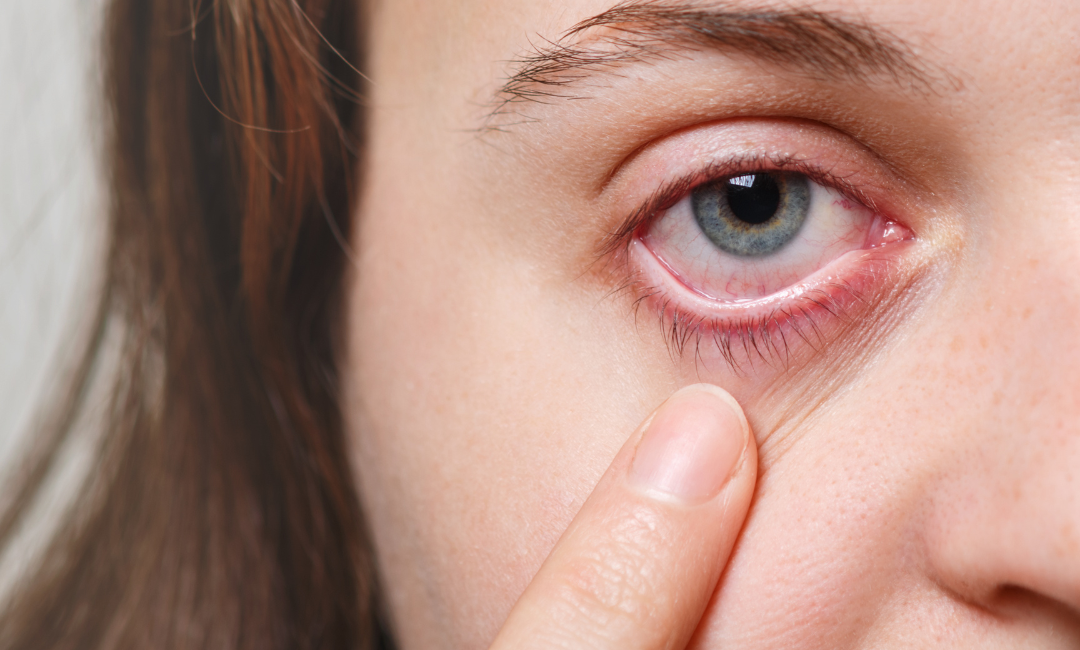
Dry eye syndrome occurs when the eyes do not produce enough tears or the tears evaporate too quickly, causing discomfort, redness, and blurry vision. Prolonged screen use, aging, and certain medical conditions increase the risk of this condition.
- Refractive Errors
Myopia (nearsightedness), hyperopia (farsightedness), and astigmatism are common refractive errors that can affect vision clarity. Though not typically disease-related, uncorrected refractive errors can impact daily functioning and eye health.
Modern Strategies for Managing Eye Diseases
Advancements in eye care have significantly improved the management and treatment of these conditions, enhancing patient outcomes and preserving vision.
- Surgical Interventions
Modern surgical techniques are highly effective for several eye diseases.
- Cataract Surgery: Femtosecond laser-assisted cataract surgery allows precise removal of the cloudy lens and implantation of advanced intraocular lenses (IOLs) that can correct vision and reduce dependence on glasses.
- Glaucoma Surgery: Minimally invasive glaucoma surgeries (MIGS) and laser therapies help lower intraocular pressure safely, reducing the risk of optic nerve damage.
- Retinal Surgery: Conditions like retinal detachment or severe diabetic retinopathy may require vitrectomy or laser treatments to restore or preserve vision.
- Pharmacological Treatments
Medications play a critical role in controlling disease progression.
- Anti-VEGF Injections: Used in AMD and diabetic retinopathy, these injections inhibit abnormal blood vessel growth and reduce fluid accumulation in the retina.
- Glaucoma Eye Drops: Medications such as prostaglandin analogs, beta-blockers, and carbonic anhydrase inhibitors lower intraocular pressure, slowing disease progression.
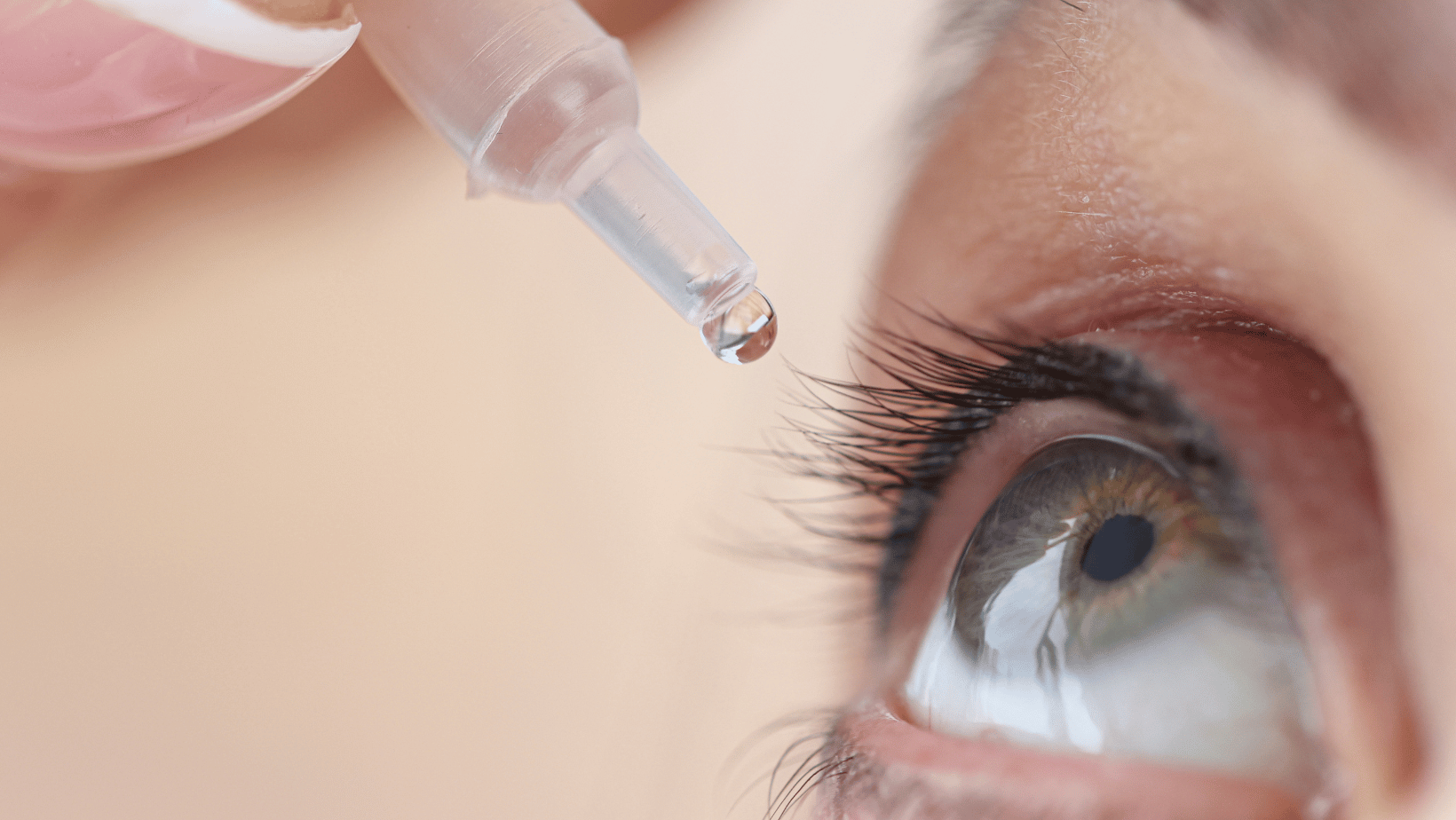
- Lubricating Eye Drops: For dry eye syndrome, artificial tears and prescription eye drops help maintain moisture and relieve discomfort.
- Advanced Diagnostic Tools
Early detection is key to effective management. Tools such as Optical Coherence Tomography (OCT), digital retinal imaging, and corneal topography enable precise evaluation of eye structures, allowing for timely intervention before irreversible damage occurs.
- Lifestyle and Preventive Measures
Eye specialists emphasize the importance of preventive strategies to support treatment.
- Maintaining a balanced diet rich in vitamins A, C, E, zinc, and omega-3 fatty acids supports retinal health.
- Regular eye exams help detect problems early, particularly for high-risk individuals such as diabetics or those with a family history of glaucoma or AMD.
- Protecting eyes from UV exposure and managing chronic health conditions like diabetes and hypertension further supports eye health.
- Vision Correction and Rehabilitation
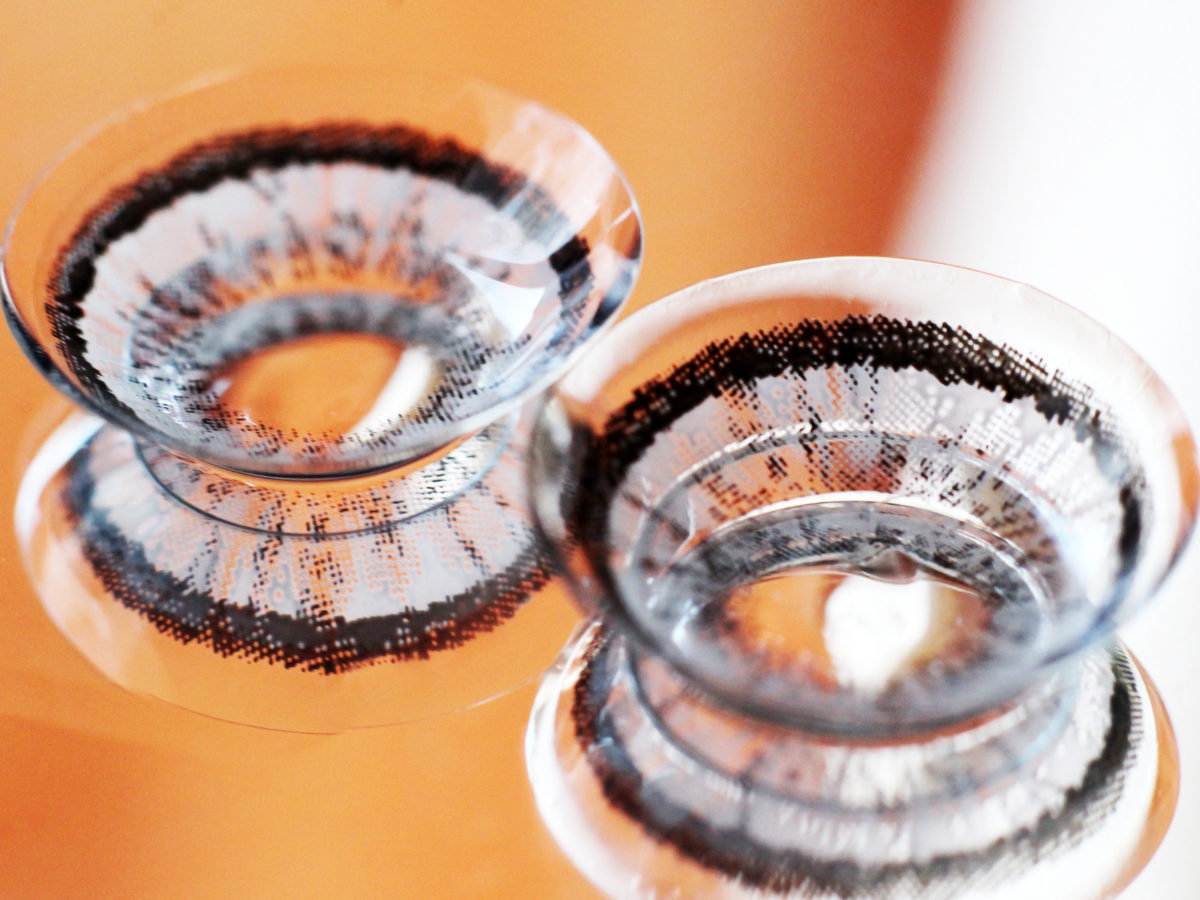
Corrective lenses, including glasses and contact lenses, address refractive errors and improve daily functioning. Low-vision aids, magnifiers, and specialized software help individuals with irreversible vision loss maintain independence and quality of life.
- Cutting-Edge Technologies
Emerging technologies, including telemedicine, AI-assisted diagnostics, gene therapy, and stem cell research, are transforming eye care. AI algorithms help in early disease detection, while gene and stem cell therapies offer potential treatments for conditions previously considered untreatable.
The Role of Regular Monitoring and Follow-Up
Successful management of eye diseases is not a one-time intervention. Regular follow-ups are crucial to monitor progression, adjust treatments, and prevent complications. Eye care professionals tailor management plans based on individual needs, ensuring optimal outcomes and long-term preservation of vision.
Conclusion
Common eye diseases, if left untreated, can significantly impact vision and quality of life. However, modern strategies in ophthalmology including advanced surgical techniques, targeted medications, innovative diagnostic tools, and preventive measures have transformed the management and treatment of these conditions. By combining professional care with healthy lifestyle practices and regular eye examinations, individuals can effectively manage eye diseases, preserve vision, and enjoy a better quality of life. Advances in technology and personalized treatment approaches continue to improve outcomes, offering hope and clarity to millions worldwide.